Nooria Insights – Science, Micronutrition & Clinical Research
Stress Management: Strategies for a Healthier Life
Fatigue has become a universal struggle… for most.
Personalised Vitamins vs a Multivitamin
Which One Actually Makes Sense Reviewed by the Nooria Scientific Advisory Board The question is usually framed as which is better. That framing has no answer, because the two are…
 Scientific Opinion

What are the Highest-Quality Supplement Brands
What Actually Separates Them, and How to Check Reviewed by the Nooria Scientific Advisory Board There is no register of high-quality supplement brands. No regulator publishes one, and “premium” is…
Scientific Opinion

The Evolution of Personalised Nutrition: From Generic Supplements to Precision Programs
Introduction Conventional supplementation is largely based on standardised formulations applied across diverse populations. Despite a global supplements market valued in the hundreds of billions, most formulations still follow a standardised approach – applying the same ingredients and dosages to fundamentally different individuals. Yet nutritional science shows a different reality. Absorption, metabolism and nutrient requirements vary […]
Scientific Opinion

Stress Management: Strategies for a Healthier Life
Stress has become an inescapable part of modern life, affecting millions of people worldwide. Whether it arises from work, relationships, financial concerns, or health issues, chronic stress can have detrimental effects on both physical and mental well-being.
Scientific Opinion

How to Regain Energy… Naturally
People are tired—physically, mentally, and emotionally drained. Fatigue has become a universal struggle… for most. It’s no longer just about feeling overworked, it’s more, and it’s affecting every aspect of life.
Scientific Opinion

The Physiology of Aging and the importance of nutrition and longevity supplements
Aging is a natural process that affects every cell, tissue, and organ in our body. Over time, our biological systems become less efficient, increasing the risk of chronic diseases such as heart disease, diabetes, and neurodegeneration.
Scientific Opinion

The Value of Natural Weight Loss Aids in the Era of Weight Loss Injections
Undoubtedly, the obesity epidemic is one of the greatest challenges to public health, pension financing for future generations, and the economies of most developed countries. Its scale is unprecedented, with one-third of the world’s population classified as overweight or obese—affecting approximately 2.1 billion people (1).
Scientific Opinion

What you should know about the collagen before consumption
Collagen is a fibrillar protein that is ubiquitous in the human body. Produced naturally by the body, it gives cohesion to tissues and organs. Known for its anti-wrinkle properties, this protein has many other interesting uses. Rather than talking about collagen, we should all be talking about collagens, so that we can discover all the ‘collagen’ options we can find on the market, and their specificities.
Scientific Opinion
L-Theanine for Focus and Sleep: What the Clinical Trials Show
L-theanine is a non-protein amino acid found almost exclusively in tea leaves — gyokuro and matcha contain the most, sencha less — and it’s one of the few natural compounds…
 Clinical Studies
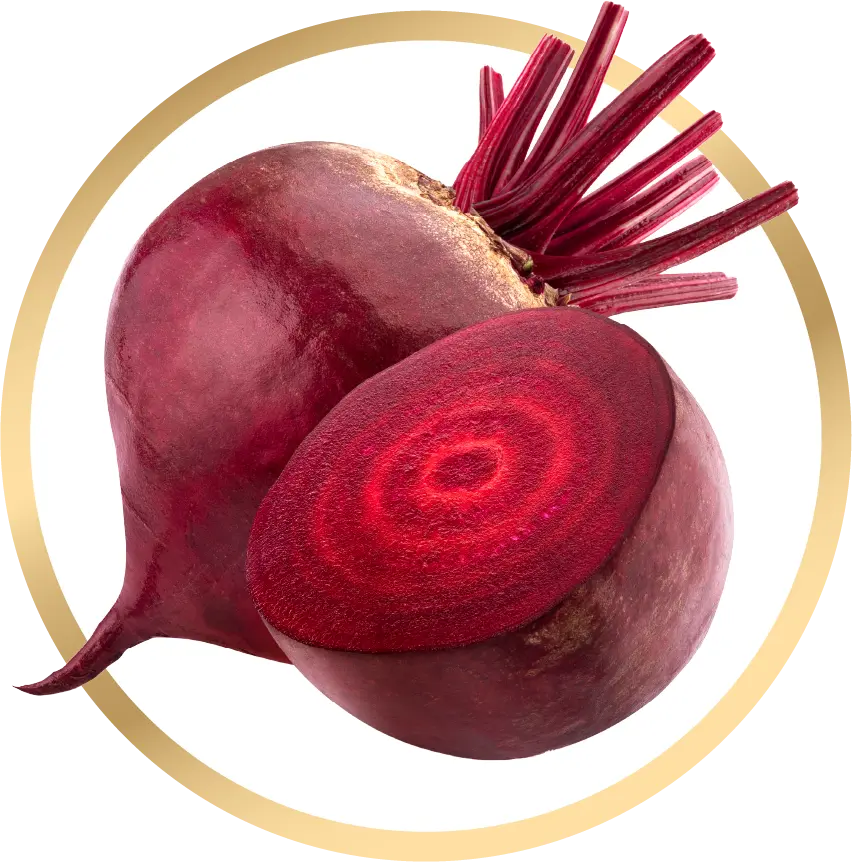
Beetroot Juice and Aerobic Performance: What a Randomized Trial Found in Female Athletes
Sports nutrition research has a well-documented blind spot: women make up only 4–13% of participants across sports-science studies, so most nitrate-supplementation research — including the original beetroot-juice-for-endurance findings — comes…
Clinical Studies
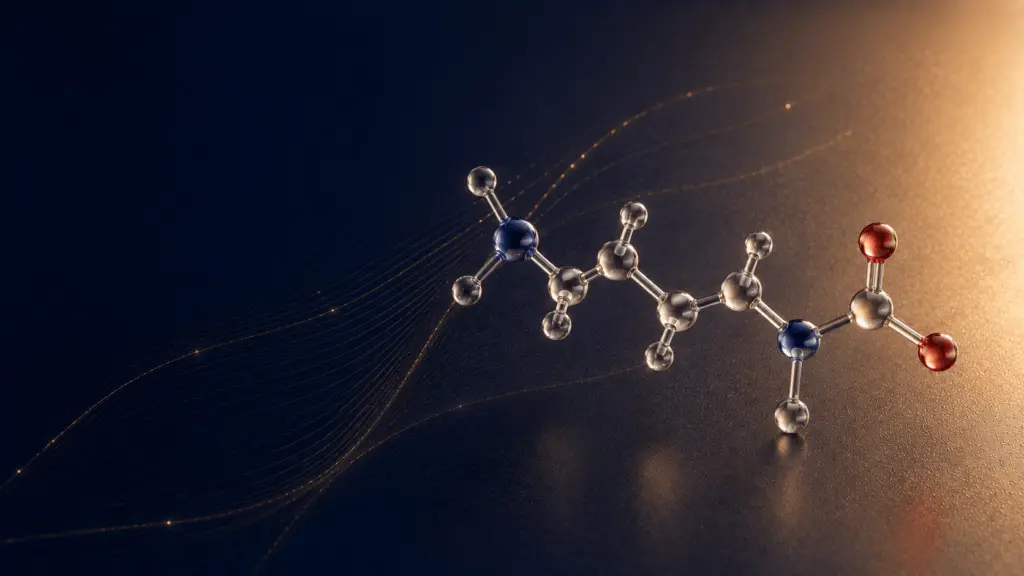
L-Citrulline and Muscle Performance: What a Study on Skeletal Muscle Shows About Exercise Endurance
L-citrulline is a non-essential amino acid that’s become an increasingly popular alternative to L-arginine for boosting nitric oxide production — with a genuine biochemical advantage: unlike orally administered arginine, which…
Clinical Studies
Omega-3 and Cellular Aging: What a Randomized Trial Found About Stress and Telomerase
Higher blood levels of omega-3 are consistently linked to longer telomeres, lower inflammation, and blunted cardiovascular stress reactivity in observational research — but whether supplementing omega-3 can actually change how…
Clinical Studies

Omega-6 (Borage Oil/GLA) and Cyclic Breast Pain: What a 91-Patient Trial Found
Borago officinalis (borage) seeds are one of the richest natural sources of gamma-linolenic acid (GLA) — the first product in the omega-6 fatty acid pathway, and a compound with a…
Clinical Studies
Vitamin K2 MK-7 and Heart Health: What the AVADEC Trial and Two Others Found
Vitamin K2 in the MK-7 form has drawn growing interest in cardiovascular research for a specific reason: it activates matrix Gla-protein, a protein that helps keep calcium out of arterial…
Clinical Studies

Collagen Peptides and Muscle Strength: What a Clinical Trial in Older Adults Reveals
Muscle mass and strength don’t decline evenly with age — they tend to fall off a cliff after 65 unless something actively counteracts it. The medical term for this age-related…
Clinical Studies
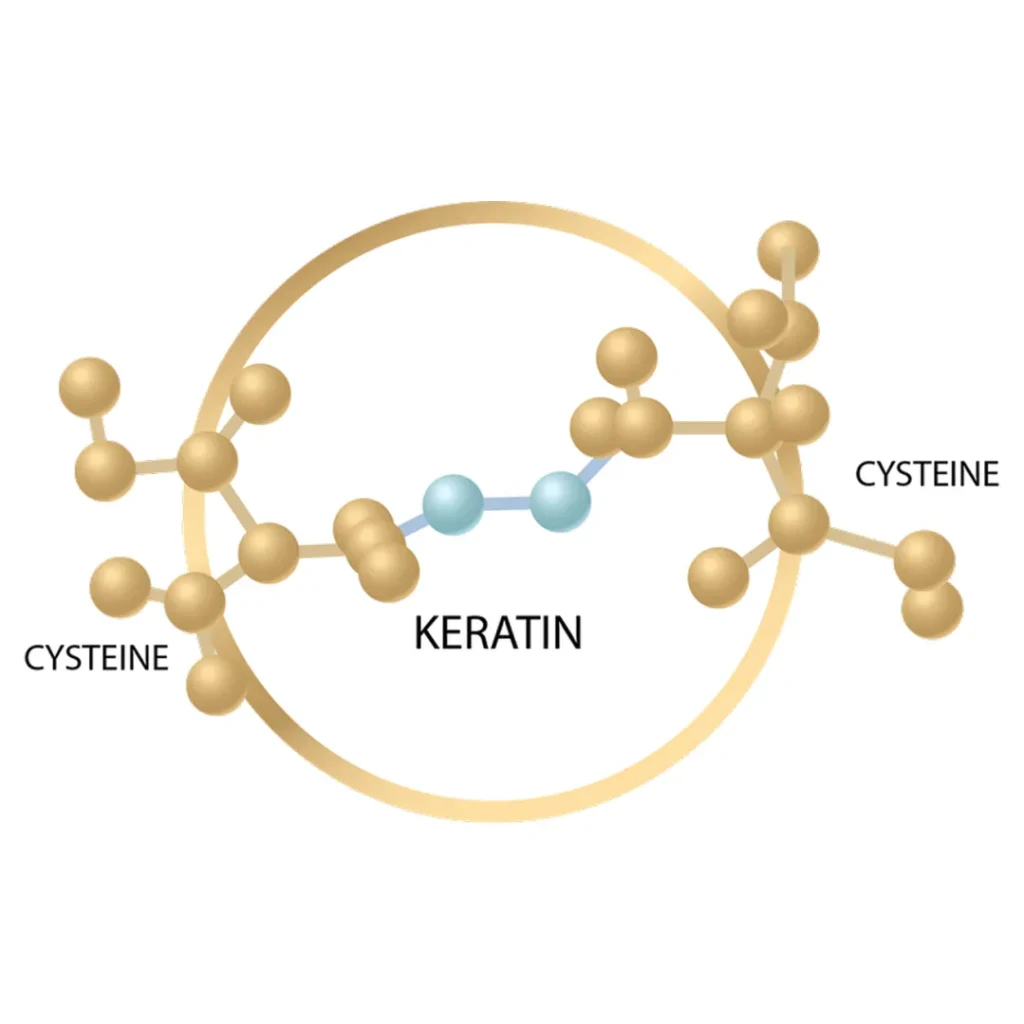
Cynatine and Hair, Skin, and Nail Health: What the Clinical Trial Data Shows
Hair and nails are made almost entirely of keratin — a structural protein the body has to keep rebuilding from raw materials in the diet. As collagen production slows with…
Clinical Studies
Ginseng: Separating the Clinically Proven Benefits From the Folklore
Few botanicals carry as long a track record as ginseng. It has been used in East Asian medicine for centuries as a tonic for fatigue, stress, and vitality, and it…
Clinical Studies
Sea Buckthorn Oil for Skin, Eyes, and Beyond: A 12-Week Clinical Trial
Skin aging, dry eyes, and vaginal dryness rarely get discussed as related problems, but they share a common root: as estrogen and collagen production decline with age — especially around…
Clinical Studies
Inavea (Cinnamon + Acacia) and Blood Sugar: A Two-Ingredient Approach to Weight Management
Weight management advice usually focuses on what you eat. Less attention goes to a quieter variable that shapes how much of that food ends up stored as fat: how sharply…
Clinical Studies
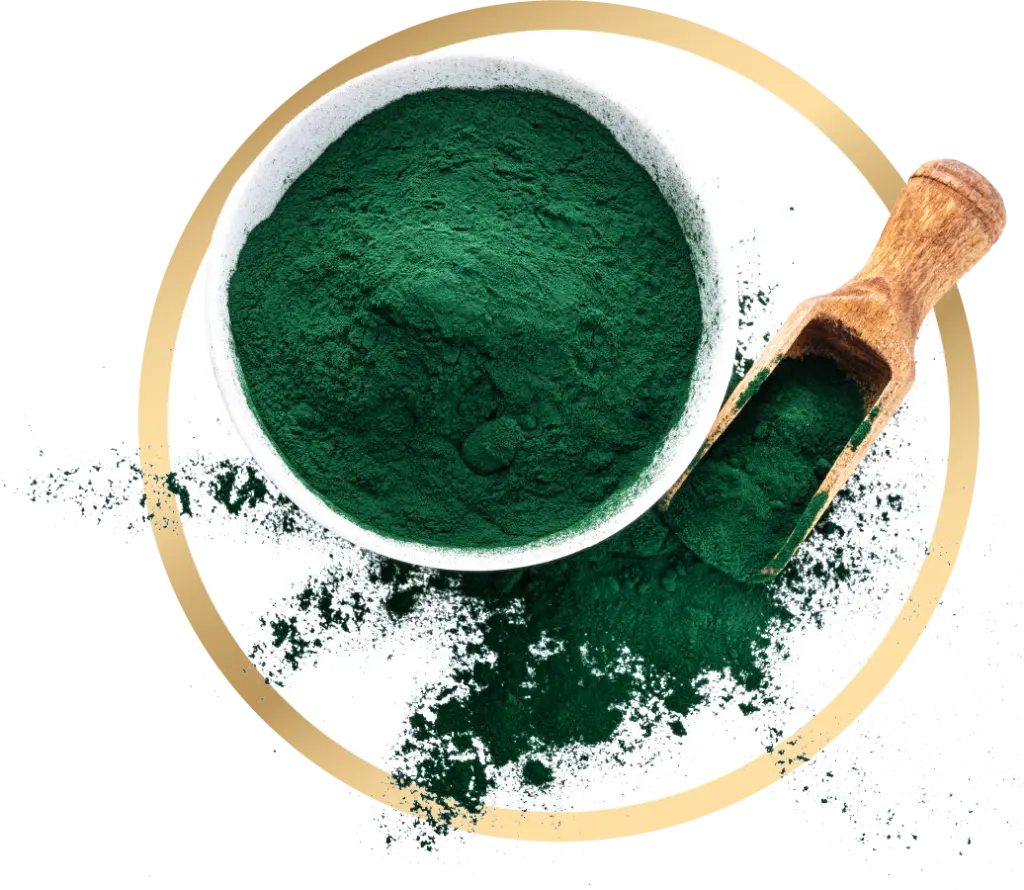
Spirulina for Athletes: What a Systematic Review Says About Antioxidant and Performance Effects
Arthrospira platensis — spirulina — is a blue-green algae supplement built almost entirely around its bioactive-compound density: up to 65% protein by dry weight, plus phycocyanin, beta-carotene, chlorophyll, and other…
 Scientific Research
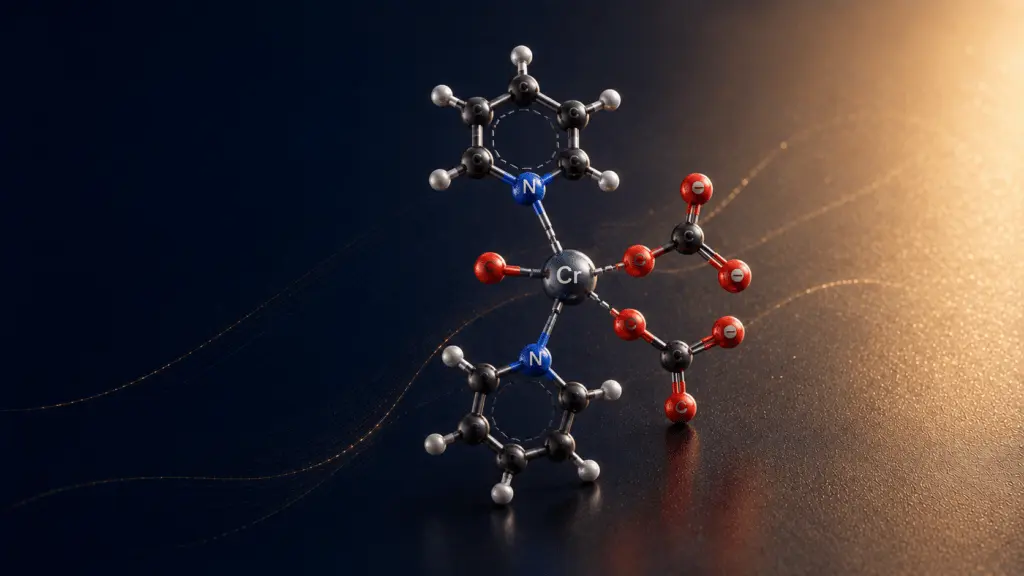
Chromium and Weight Management: What a 21-Trial Meta-Analysis Found
Chromium (specifically chromium III, or trivalent chromium) is marketed heavily as a weight-management aid, on the theory that it supports insulin’s action in blood glucose control — and, by extension,…
Scientific Research

Calcium and Bone Health: What the Clinical Research Says About Supplementation
Calcium is the most abundant mineral in the human body, and its role in bone health is about as well-established as nutrition science gets. What’s less commonly explained is how…
Scientific Research
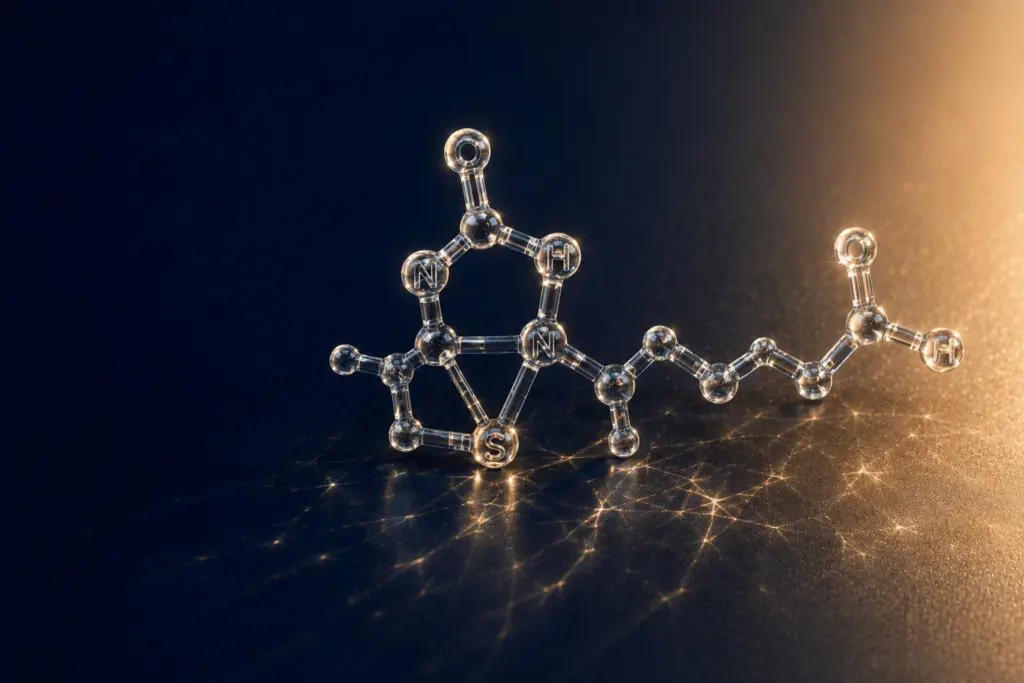
Biotin for Hair and Nails: What the Evidence Actually Shows
Biotin (vitamin B7) is one of the most heavily marketed hair-and-nail supplement ingredients on the market, largely because it’s inexpensive and biologically plausible — it’s a required cofactor in protein…
Scientific Research
BCAA and Muscle Recovery: What an 18-Trial Meta-Analysis Found About Soreness and Muscle Damage
Branched-chain amino acids — leucine, isoleucine, and valine — make up about 35% of the amino acid content in muscle protein and are one of the most widely used supplements…
Scientific Research
Vitamin B12: What the Research Shows About Energy, Nerve Function, and Deficiency Risk
Vitamin B12 (cobalamin) sits at the intersection of two processes that are easy to take for granted until they go wrong: making new red blood cells, and maintaining the nervous…
Scientific Research

Angelica Root and Gut Health: What the Research Shows About Digestion and Antioxidant Support
Angelica is a large genus in the carrot family (Apiaceae) — the same botanical family as fennel, parsley, and celery — with dozens of species used across Asian, European, and…
Scientific Research

Astaxanthin and Brain Aging: What the Research Shows About Neuroprotection and Cognitive Function
Most antioxidants never make it to the brain in any meaningful amount — the blood-brain barrier is built to keep most molecules out. Astaxanthin, a reddish-orange carotenoid best known for…
Scientific Research
Magnesium and Body Weight: What a 28-Trial Meta-Analysis Actually Found
Magnesium supplements are frequently marketed for weight management, on the logic that magnesium is a cofactor in energy production, glucose metabolism, and insulin signaling — all processes tied to body…
Scientific Research
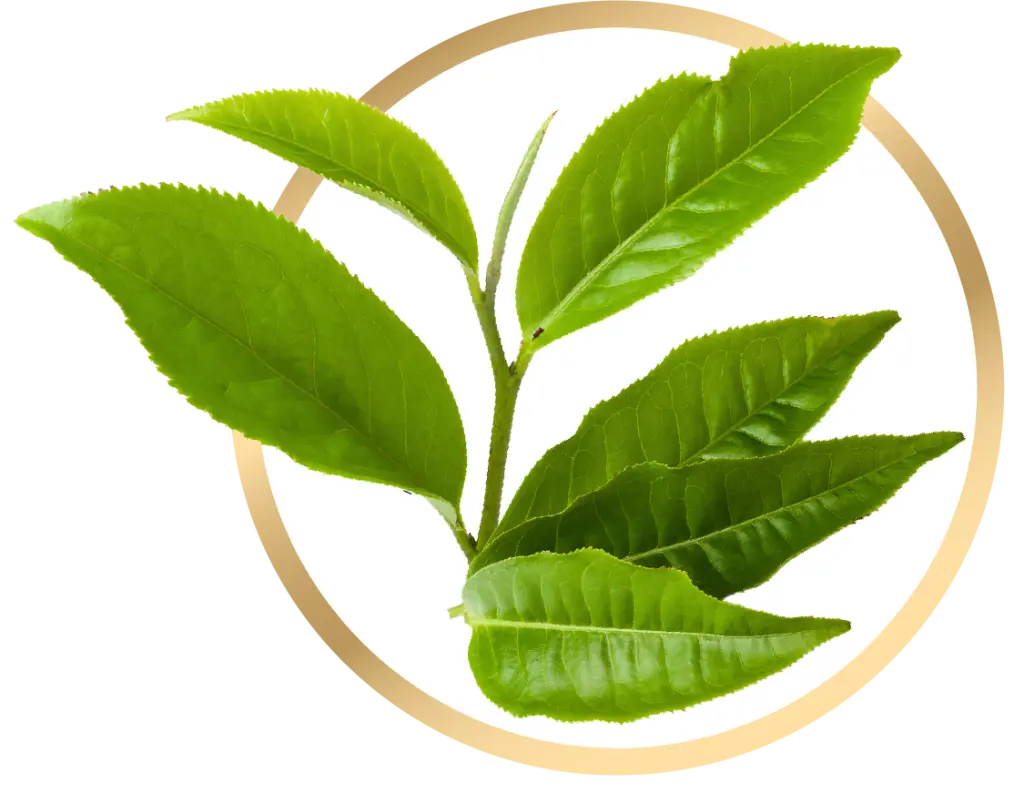
Green Tea Extract and Fat Metabolism: What a Decade of Research Actually Shows
Green tea extract is one of the most-researched weight-management ingredients around, largely because of its catechin content — polyphenol compounds, the most abundant and active being EGCG (epigallocatechin-3-gallate). A widely…
Scientific Research
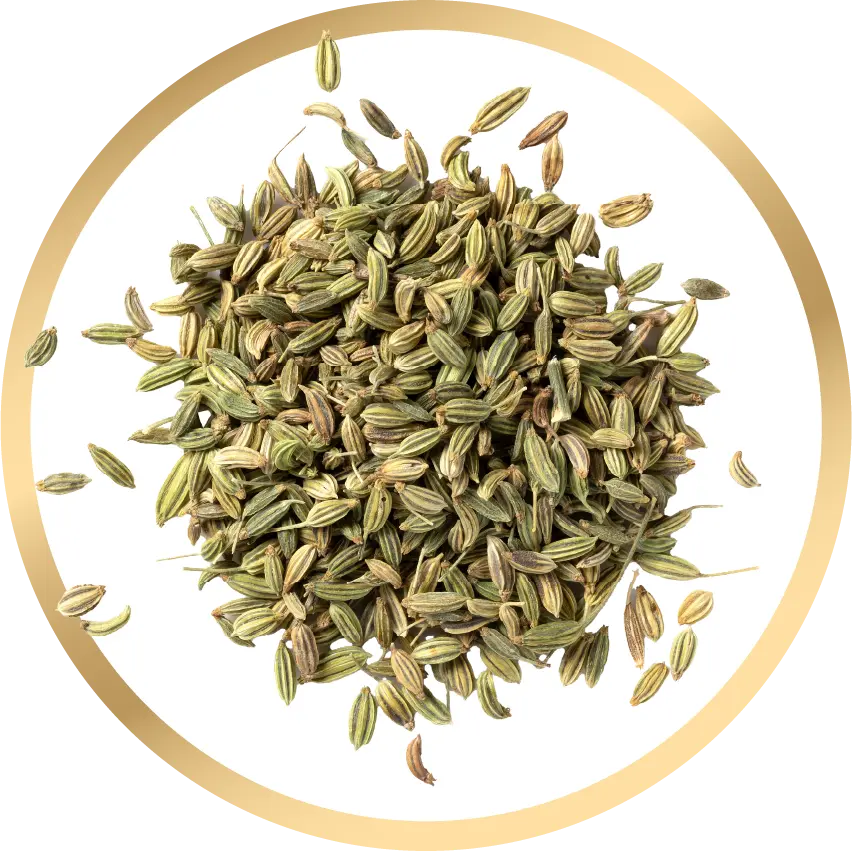
Fennel and Digestive Health: What the Research Says About This Underrated Vegetable
Fennel (Foeniculum vulgare) is a member of the carrot family better known for its licorice-like flavor than its research base, but the bulb, seeds, and oil have each been studied…
Scientific Research

Dandelion Root and Liver Health: What 54 Studies Say About This Traditional Detox Herb
Dandelion — Taraxacum officinale, the common yellow-flowered “weed” — has centuries of traditional use as a detoxifying herb, particularly for liver and kidney support. A 2021 comprehensive review in the…
Scientific Research
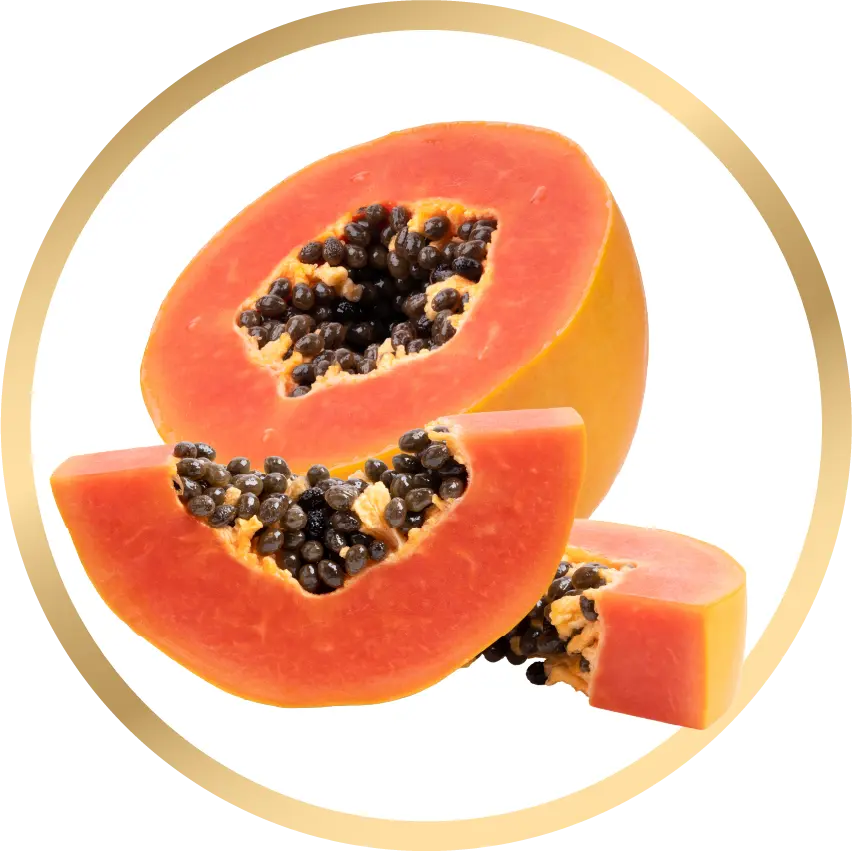
Papaya and Papain: What the Research Shows About This Digestive Enzyme
Papaya’s reputation as a digestive aid comes down almost entirely to one molecule: papain, a protein-digesting enzyme concentrated in the fruit’s latex and unripe flesh. A 2024 review in the…
Scientific Research
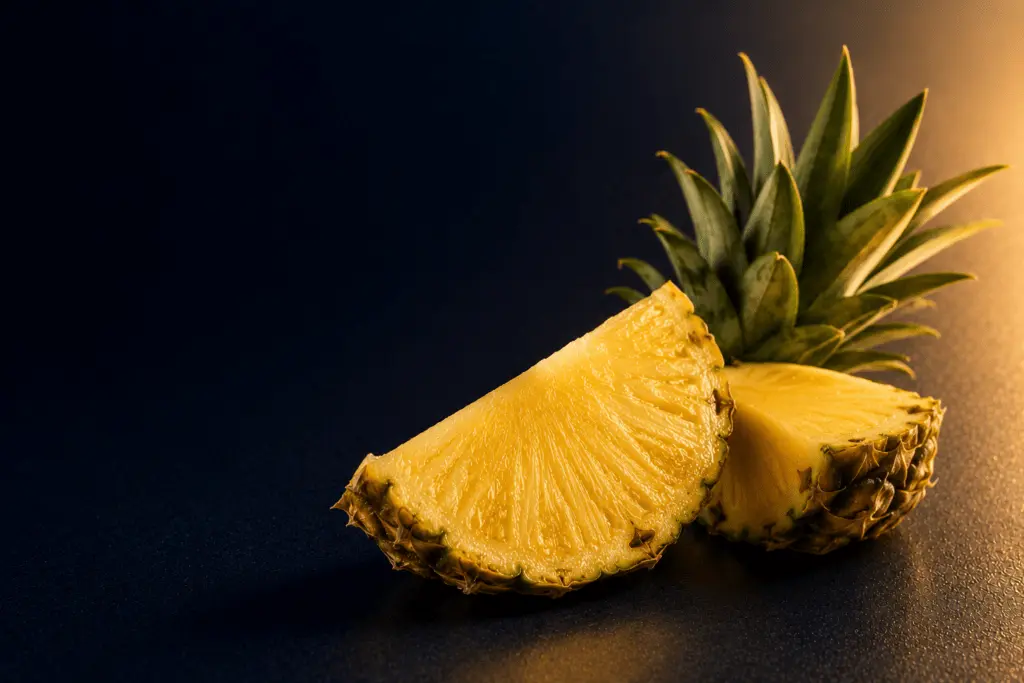
Pineapple and Bromelain: What the Research Shows About Digestion and Inflammation
Pineapple is the third most important fruit in global production, but its reputation as a health ingredient rests specifically on bromelain — a mix of protein-digesting enzymes found throughout the…
Scientific Research
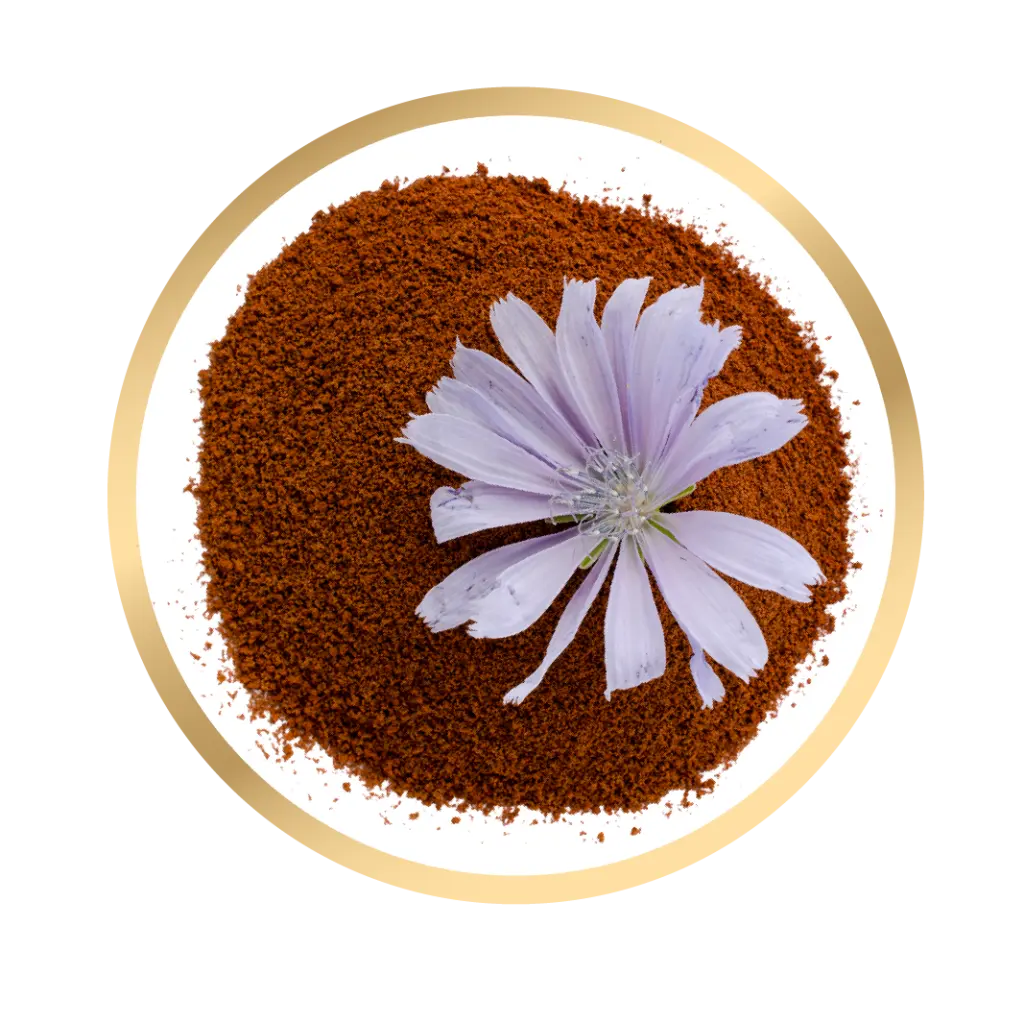
Inulin and Gut Health: What 36 Clinical Trials Show About This Prebiotic Fiber
Inulin is a plant fiber with a defining feature: human digestive enzymes can’t break it down, but specific bacteria in the gut can. That single property is what makes it…
Scientific Research
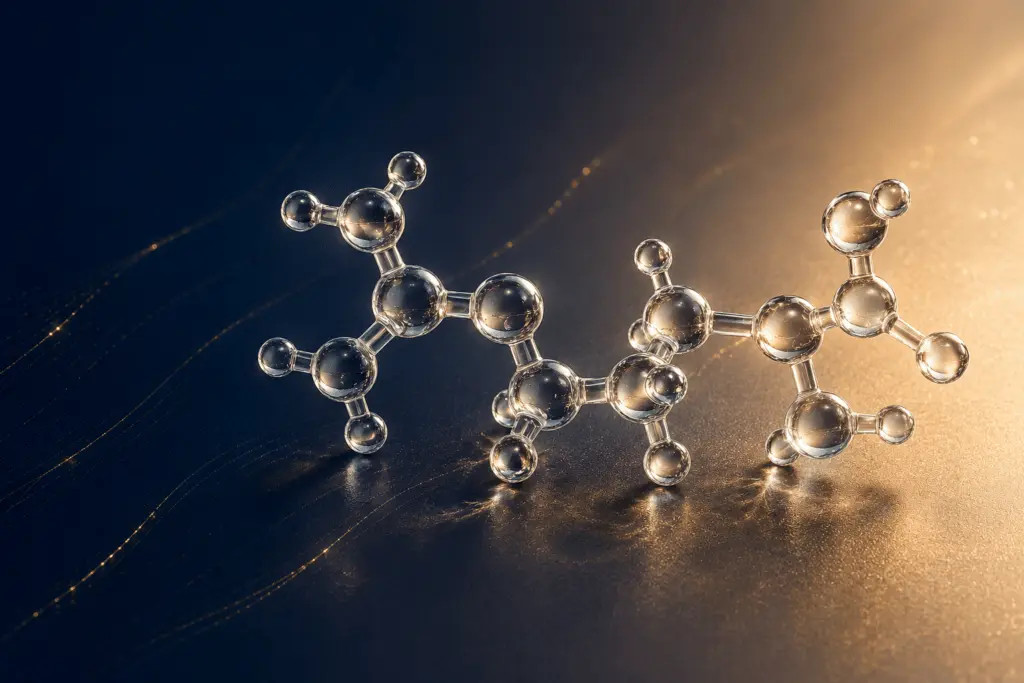
L-Arginine and Exercise Performance: What an 11-Trial Meta-Analysis Found About VO2 Max
L-arginine is a semi-essential amino acid best known as the body’s precursor for nitric oxide — the molecule responsible for vasodilation, increased blood flow to muscle, and the release of…
Scientific Research
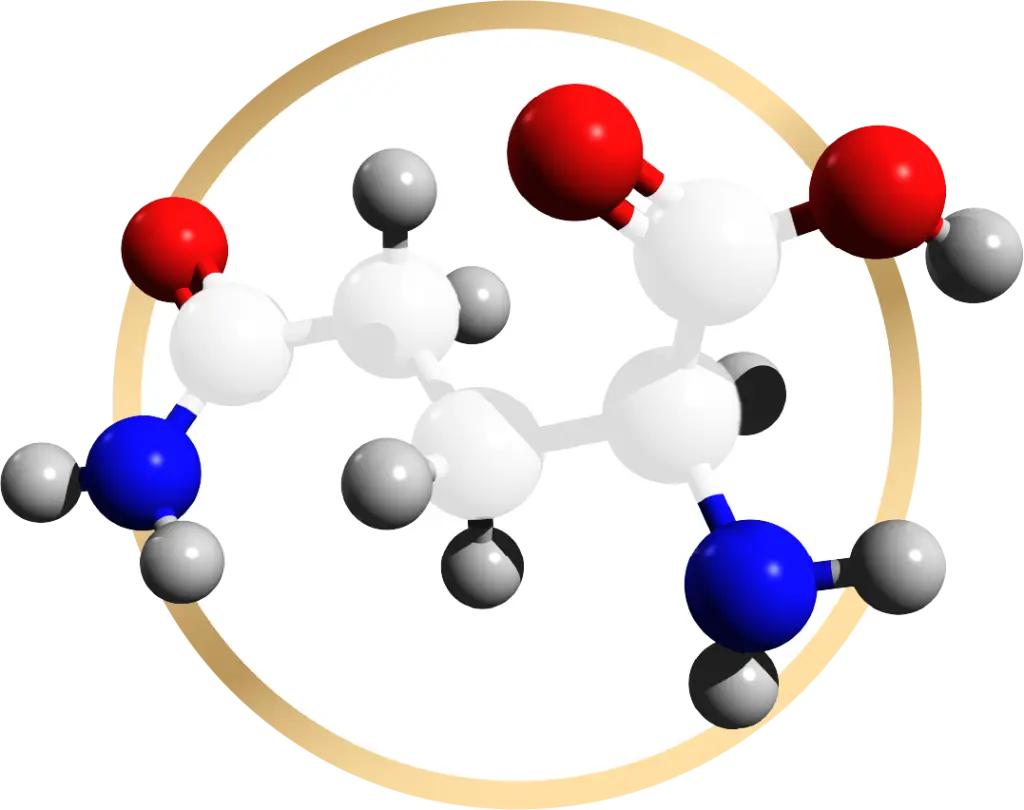
Glutamine and Immune Recovery: What the Research Shows About This Conditionally Essential Amino Acid
Glutamine is the most abundant free amino acid in the human body — 10 to 100 times more concentrated in blood and tissue than any other amino acid — and…
Scientific Research
Yerba Mate and Metabolic Health: What the Research Shows About Weight, Cholesterol, and Energy
Yerba mate — brewed from the dried leaves and stems of the South American shrub-tree Ilex paraguariensis — has seen consumption climb sharply outside its traditional range: Poland alone saw…
Scientific Research
Rosemary and the Nervous System: What the Research Shows About Memory, Mood, and Stress
Rosemary’s culinary reputation undersells how deeply studied it is as a neuropharmacological herb. A comprehensive 2020 review in the Iranian Journal of Basic Medical Sciences compiled the research on rosemary’s…
Scientific Research
Vitamin C: A Comprehensive Review of Its Role in Health and Disease Prevention
Vitamin C’s association with scurvy is so historically dominant that its broader biology tends to get overlooked. A 2025 comprehensive review in Molecules lays out just how much vitamin C…
Scientific Research
Vitamin D: What the Evidence Actually Shows, and Why the Guidelines Are Still Debated
Few nutrients have as contentious a research history as vitamin D. A 2025 review in Nutrients, written partly in response to the 2024 Endocrine Society guidelines, makes a pointed argument:…
Scientific Research
Taurine: What the Evidence Shows About Heart, Liver, and Energy Support
Taurine is one of the most misunderstood ingredients in the supplement aisle — most famously thanks to a persistent myth that it’s extracted from bull semen (it isn’t; it was…
Scientific Research
Vitamin B6: What It Does, Who Runs Low, and Where It Actually Comes From
Vitamin B6 is the generic name for six related compounds — pyridoxine, pyridoxal, and pyridoxamine, plus their phosphate forms — that together participate in more than 100 different enzyme reactions…
Scientific Research
Psyllium and Weight Loss: What a 6-Trial Meta-Analysis Found
Psyllium — the husk of Plantago ovata seeds — is a natural, predominantly soluble fiber that forms a viscous gel when hydrated, without being fermented or digested in the small…
Scientific Research
Lycopene and Skin Aging: What a 2024 Study Found About Mitochondrial Protection in Skin Cells
Skin aging has a specific, well-documented mitochondrial dimension: as mitochondrial function declines with age, reactive oxygen species (ROS) production rises, and that oxidative stress drives many of the visible hallmarks…
Scientific Research
Collagen Peptides and Exercise: What a 15-Trial Systematic Review Found About Joint Health and Recovery
Collagen makes up roughly a third of total protein in the human body and is the principal structural component of tendons, ligaments, cartilage, and the extracellular matrix that holds connective…
Scientific Research
Gut Bacteria and Digestive Health: What the Research Shows About the Microbiome
The human gut is home to roughly 10¹⁴ microbes — ten times more cells than the human body itself contains. A comprehensive review in the International Journal of Molecular Sciences…
Scientific Research
Lutein and Zeaxanthin: What Clinical Trials Show About Eye Health and Macular Degeneration
The retina is one of the most metabolically active tissues in the body, and it selectively concentrates just three carotenoids out of the dozens found in the human diet: lutein,…
Scientific Research
Prebiotics and Probiotics: What the Research Shows About the Gut-Brain Axis
Probiotics are living bacteria that provide a health benefit when consumed in sufficient amounts; prebiotics are the non-digestible compounds — mostly fiber — that feed and support those beneficial bacteria…
Scientific Research
L-Valine and Mitochondrial Function: What a Cell Study Found About Oxidative Stress Protection
Among the three branched-chain amino acids — leucine, isoleucine, and valine — leucine and isoleucine have been studied fairly extensively for their roles in muscle protein synthesis and mitochondrial regulation.…
Scientific Research
Iodine and Thyroid Health: What the Research Shows About Deficiency Risk, Including in Plant-Based Diets
Iodine gets far less nutritional attention than most vitamins and minerals, despite being absolutely required to make thyroid hormones — and despite genuine, well-documented deficiency risk in specific modern populations.…
Scientific Research
Omega-3 (DHA/EPA) and Brain Function: What a Systematic Review of 9 Trials Found
DHA makes up more than 40% of the total omega-3 fatty acids in neuronal tissue, concentrated especially in the gray matter — it’s not a minor structural component, it’s a…
Scientific Research
L-Lysine: What the Research Shows About Its Role, and Why More Isn’t Automatically Better
L-lysine is one of nine essential amino acids — the body has no pathway to synthesize it, so every bit has to come from food or supplements. It’s typically low…
Scientific Research
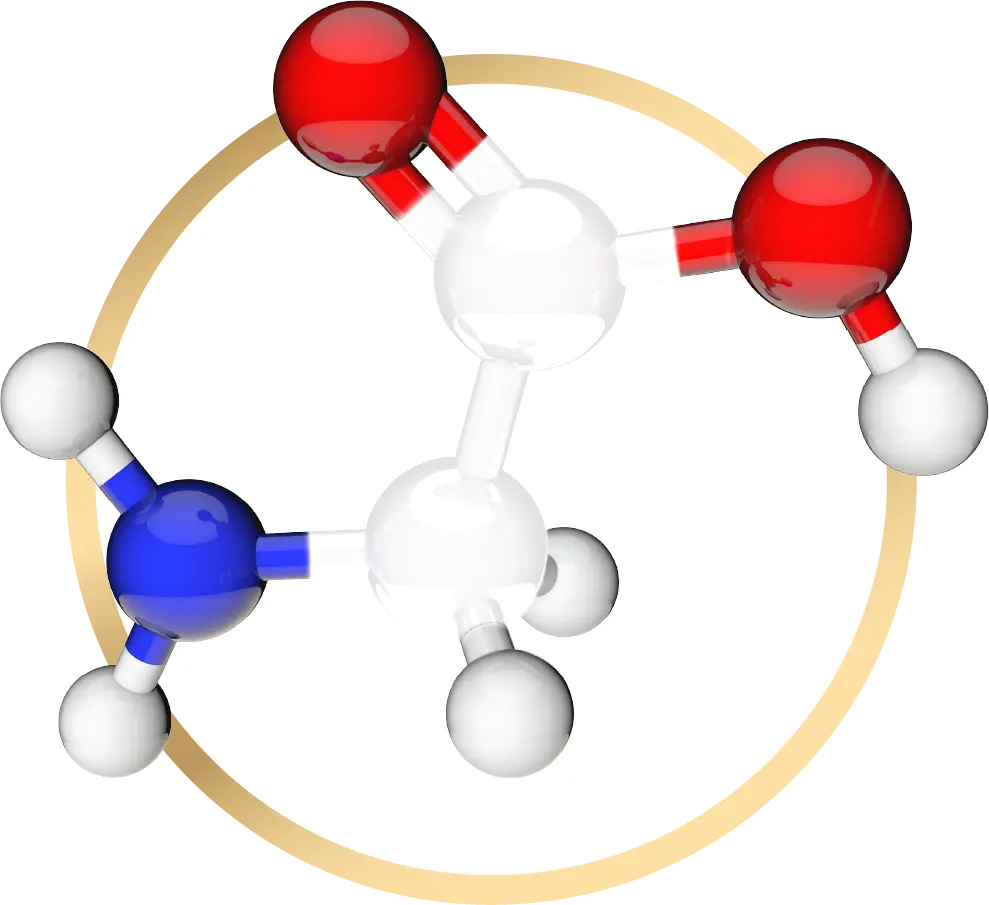
Glycine and Sleep: What the Research Shows About This Calming Amino Acid
Glycine is the smallest amino acid in the human body, and technically classified as “non-essential” because the body can make its own supply — mainly by converting the amino acid…
Scientific Research
Zinc as a Pro-Antioxidant: What the Research Shows About Immune Function and Oxidative Stress
Zinc doesn’t fit the classic definition of an antioxidant — chemically, it’s a redox-inert ion that can’t directly neutralize free radicals the way vitamin C or E can. Yet decades…
Scientific Research
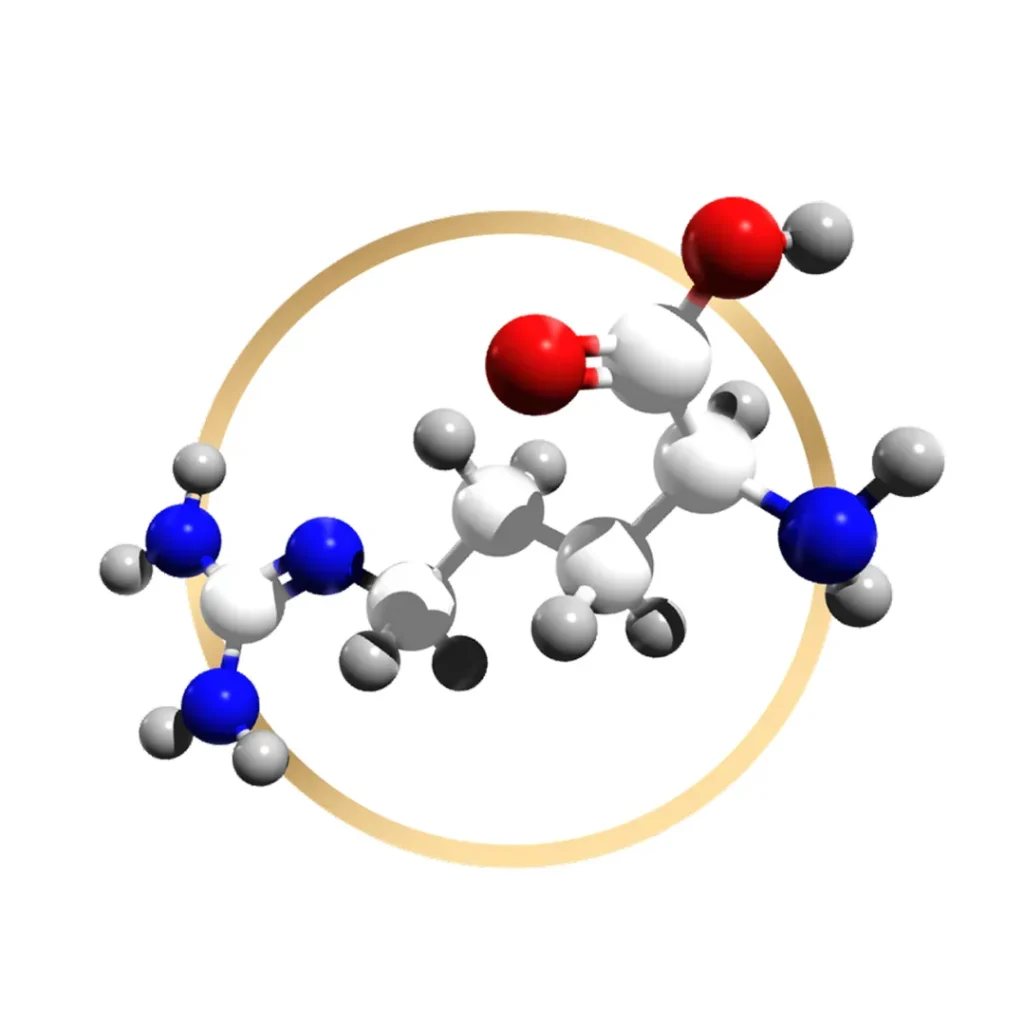
How L-Tyrosine and Essential Amino Acids Support Cognitive Function and Physical Health
How L-Tyrosine and Essential Amino Acids Support Cognitive Function and Physical Health
Scientific Research
Vitamin D3 and K2: How This Nutrient Pair Supports Recovery From Long COVID and Chronic Inflammation
Persistent fatigue, brain fog, and low-grade inflammation that linger long after an infection has cleared are more common than most people realize. For a meaningful share of people who have…
Scientific Research

Pycnogenol and Cognitive Function: What the Research Shows About Memory, Focus, and Brain Health
Cognitive decline is no longer viewed as an inevitable part of getting older. As life expectancy rises, the question researchers are asking has shifted from “how long can we live”…
Scientific Research
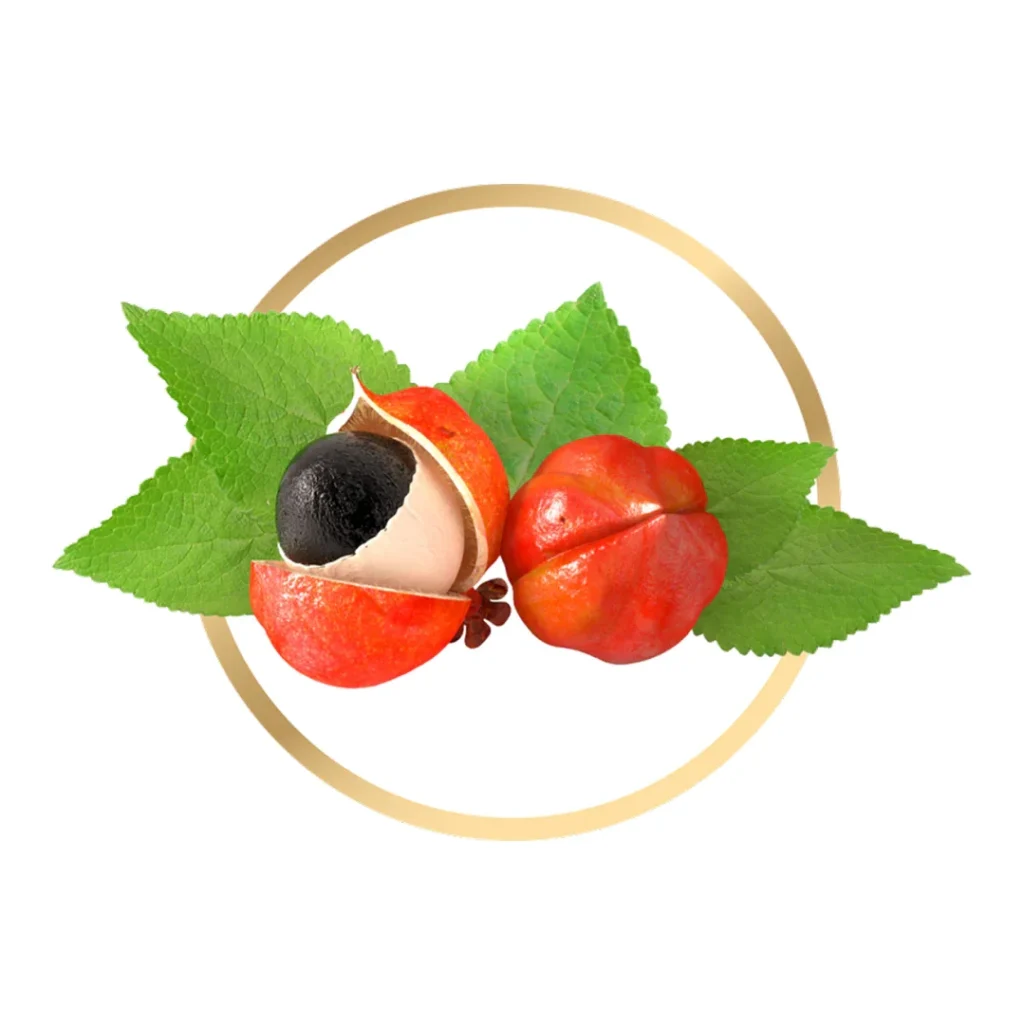
Guarana for Energy and Focus: What Actually Backs the Claims
Reach for coffee often enough and eventually you start looking for alternatives — something that delivers the same lift without the same crash. Guarana, a climbing plant native to the…
Scientific Research

Rethinking Detox Ingredients: Why Most Supplements Fall Short and What Defines an Effective Formula
Introduction Conventional detox supplements are largely based on simplified formulations applied across diverse individuals. Despite a global supplements market valued in the hundreds of billions, most detox products still rely on generic ingredient combinations, often without considering biological variability, absorption dynamics, or user adherence. However, nutritional science presents a more complex picture. Detoxification is not […]
Scientific Research
How Personalized Supplements Actually Work: The Science Behind Custom Nutrition
Human genomes contain more than 3 million single nucleotide variants. Approximately 1% of each individual’s genetic sequence differs from the reference genome [3]. This genetic variability creates distinct metabolic profiles that influence nutrient processing and utilization. Personalized supplements address individual metabolic requirements through precision formulations based on genetic and biochemical data. The consumer health and […]
Scientific Research
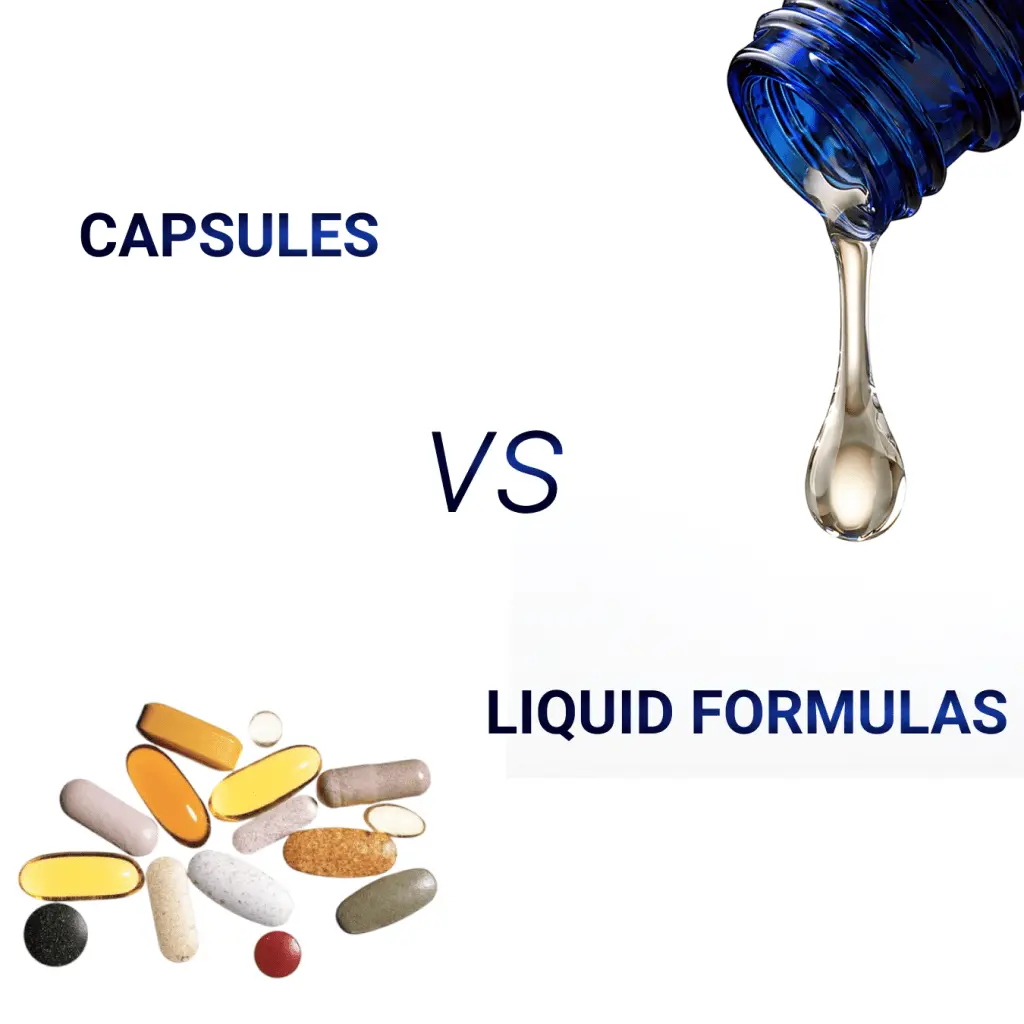
Liquid Vitamins vs Capsules: What Makes Personalized Liquid Supplements More Effective?
Introduction The difference between liquid vitamins and capsules comes down to one critical factor: bioavailability — how efficiently nutrients are absorbed and used by the body. Traditional capsule supplements require breakdown and dissolution before nutrients become available for absorption. This process depends on digestive efficiency, enzyme activity and formulation quality, which can lead to inconsistent […]
Scientific Research

Geneva knows quality — Vesenaz chooses Nooria
Geneva Knows Quality. Vésenaz Chooses Nooria. Geneva sets the global benchmark for health, diplomacy, and precision. It is a city where consumers are highly educated, internationally minded, and uncompromisingly selective about what they put into their bodies. Pharmacie Bleue, situated at Route de Troinex 60b, 1222 Vésenaz, serves one of Geneva’s most prestigious lakeside communities […]
 Highlights
Geneva–Nyon Corridor
The highest validation a supplement brand can receive does not come from marketing — it comes from the trust of medical professionals who stake their reputation on every recommendation they make.
Highlights

Gstaad
Gstaad – the destination where luxury is understated and standards are uncompromising — precisely the environment where Nooria belongs.
Highlights

Testa Grigia Pharmacy in Zermatt Joins Nooria as Newest Alpine Partner
Where Alpine Excellence Meets Swiss Precision Nestled in the heart of one of Switzerland's most iconic mountain destinations, Testa Grigia Pharmacy in Zermatt has become the latest distinguished partner for Nooria.
Highlights

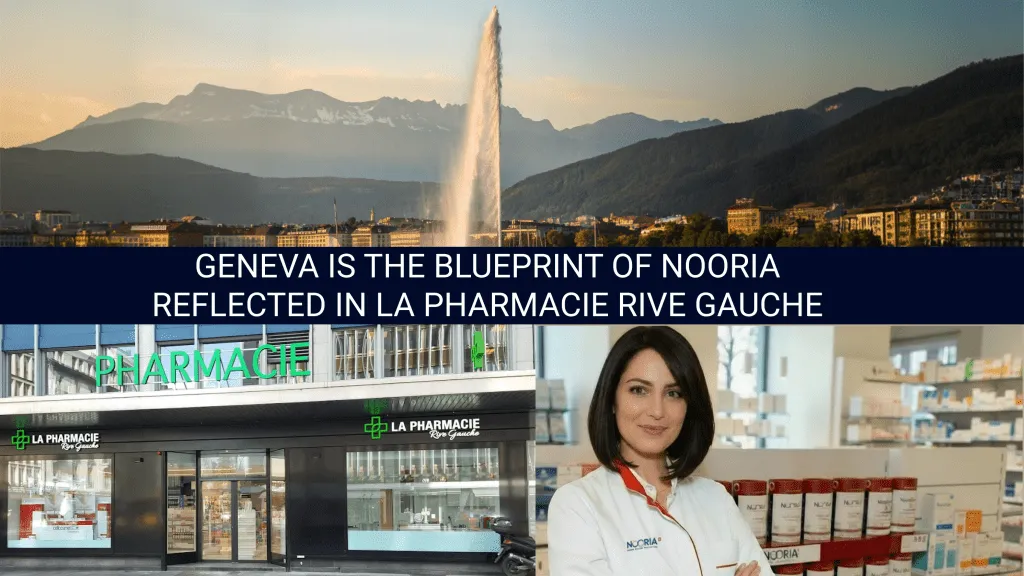
Geneva Is the Blueprint — Nooria Reflected in La Pharmacie Rive Gauche
Geneva's Left Bank - the Rive Gauche - is one of the city's most storied and culturally rich quarters. Home to embassies, international institutions, and a deeply health-aware residential community, it demands a standard of care that goes beyond the ordinary.
Highlights

The Easiest Wellness Routine Ever: My Nooria Signature Shot Story
Hi Everyone, Every so often I come across a wellness concept that feels so refreshingly simple, so beautifully designed, and so easy to integrate into real life that I can’t help but share it with you. This month, that discovery was Nooria. More specifically, their personalised Signature Shot Program. If you’ve been following FunkyForty for a […]