Most antioxidants never make it to the brain in any meaningful amount — the blood-brain barrier is built to keep most molecules out. Astaxanthin, a reddish-orange carotenoid best known for giving salmon and krill their color, is one of the few that gets through easily, thanks to a molecular structure that lets it sit across cell membranes rather than just float around them. That property has made it one of the more closely studied compounds for brain aging in recent years.
Where Astaxanthin Comes From
Astaxanthin is produced by the microalga Haematococcus pluvialis as a protective response to environmental stress, and it concentrates up the food chain into salmon, trout, krill, and shrimp — part of why wild salmon looks pink. Commercially, it’s extracted from the same algae or produced from the yeast Phaffia. It has been recognized as safe by the FDA since 1999, with human studies reporting no adverse effects at intakes up to 40 mg per day, well above the 2–12 mg range typically used in supplements.
How It Reaches — and Works In — the Brain
Antioxidant Capacity
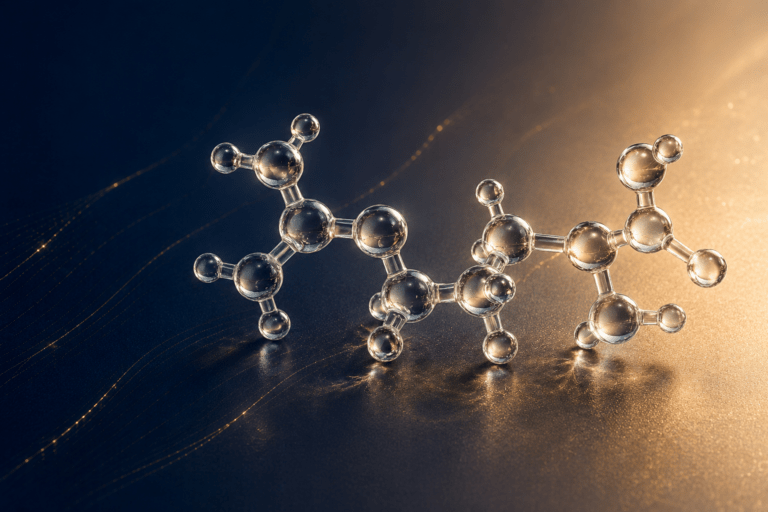
Astaxanthin’s structure — two terminal rings connected by a long conjugated chain — makes it unusually effective at neutralizing reactive oxygen species. Lab comparisons put its ability to quench singlet oxygen at roughly 550 times that of vitamin E, and it also activates the body’s own antioxidant machinery by stabilizing the transcription factor Nrf2, which switches on a set of protective enzymes (including heme oxygenase-1 and NADPH quinone dehydrogenase) inside cells under oxidative stress.
Reducing Neuroinflammation
Chronic low-grade inflammation in the brain — driven largely by overactive microglia, the brain’s resident immune cells — is a recognized feature of aging and is linked to declining neurogenesis. Astaxanthin has been shown in animal and cell studies to suppress the NF-κB signaling pathway that drives this inflammatory response, reducing pro-inflammatory cytokines like TNF, IL-1, and IL-6 while increasing the anti-inflammatory signal IL-10.
Supporting New Neuron Growth
Adult neurogenesis — the ongoing production of new neurons in specific brain regions like the hippocampus — declines with age and is tied to memory and learning capacity. In vitro and animal studies show astaxanthin can boost neural precursor cell proliferation, partly by increasing BDNF (brain-derived neurotrophic factor) and activating the FOXO3 longevity-associated gene network, both central to maintaining a healthy pool of stem cells for lifelong neurogenesis.
What This Looks Like in Practice
In aged mice, a month of astaxanthin supplementation improved hippocampal cognitive function and enhanced long-term potentiation — the cellular basis of learning and memory — alongside measurable gains on spatial learning tests like the Morris water maze. Similar patterns have shown up across several rodent models, including improved cognitive and memory performance in Alzheimer’s-like models and reduced cognitive impairment following induced oxidative stress.
The Bottom Line
The case for astaxanthin as a neuroprotective compound rests on three converging mechanisms — direct antioxidant action, suppression of chronic neuroinflammation, and support for the molecular pathways (Nrf2, BDNF, FOXO3) that sustain neurogenesis as the brain ages. Human clinical data specifically on cognitive outcomes is still limited compared to the animal literature, but the safety profile is well established and the mechanistic rationale for brain aging is unusually well worked out for a dietary carotenoid.
References
[1] Medoro, A.; Davinelli, S.; Milella, L.; Willcox, B.J.; Allsopp, R.C.; Scapagnini, G.; Willcox, D.C. “Dietary Astaxanthin: A Promising Antioxidant and Anti-Inflammatory Agent for Brain Aging and Adult Neurogenesis.” Mar. Drugs 2023, 21, 643. https://doi.org/10.3390/md21120643 (open access)
This content is for informational purposes only and is not intended as medical advice. Always consult a qualified healthcare professional before starting any new supplement, diet, or exercise program. These statements have not been evaluated by regulatory health authorities. Nooria products are not intended to diagnose, treat, cure, or prevent any disease.