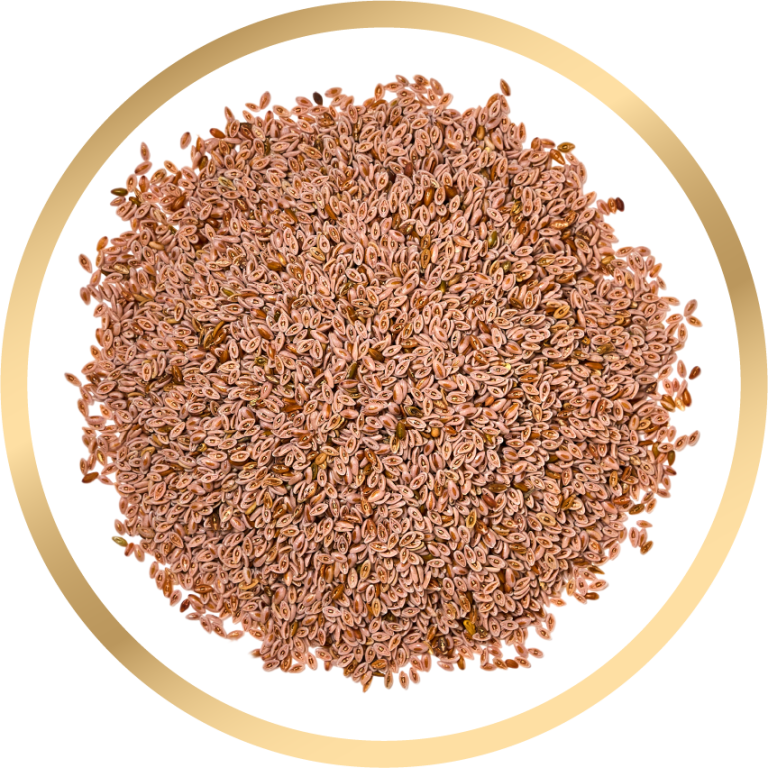
Fennel (Foeniculum vulgare) is a member of the carrot family better known for its licorice-like flavor than its research base, but the bulb, seeds, and oil have each been studied for genuinely distinct effects — digestive, anti-inflammatory, and antioxidant. Reviewing the underlying clinical literature gives a clearer picture than the “superfood” framing fennel usually gets.
What’s Actually in Fennel
One cup of raw fennel provides about 27 calories, nearly 3 g of fiber, and close to 12% of the daily target for vitamin C, along with potassium, manganese, calcium, and iron. It also contains anethole, the aromatic organic compound responsible for fennel’s licorice-like flavor, along with antioxidant, antimicrobial, and anti-inflammatory compounds documented across multiple studies.
The Digestive Angle
Fennel seeds have a long history of traditional use — steeped as tea and taken after meals — to relieve bloating and gas, an effect attributed partly to their fiber content, which supports normal digestive function. In a small controlled study, women who drank fennel tea before a meal reported feeling more full and less hungry at a subsequent buffet compared with a placebo tea, consistent with anethole’s proposed appetite-modulating effect — though the study’s small size (nine participants) means this specific finding shouldn’t be over-read.
The Strongest Single Trial: Knee Osteoarthritis
The best-controlled evidence for fennel comes from a 2020 randomized trial: 66 patients with knee osteoarthritis received either a powdered fennel extract capsule or a placebo daily for two weeks. The fennel group showed a significantly greater reduction in pain and stiffness than the control group — a genuine anti-inflammatory effect measured in a real clinical population, not just a mechanistic or animal finding.
Antioxidant and Broader Findings
Fennel’s vitamin C content contributes real antioxidant capacity, and a 2017 study evaluating the antioxidant activity of essential oils and extracts from four herbs — fennel among them — found effects consistent with reduced oxidative stress, the kind of cumulative cellular damage linked to cognitive decline over time. Fennel’s fiber and mineral content (including calcium and iron) also support broader claims around bone health and healthy iron status, though these are more nutritional-composition arguments than dedicated clinical trial findings.
Worth Knowing: Fennel Isn’t Risk-Free
Fennel contains estragole, a compound classified as a potential carcinogen at high exposure, with research flagging particular caution for children consuming multiple cups of fennel tea daily. Fennel can also interact with certain medications (including tamoxifen) and is generally advised against in pregnancy at supplement-level doses. As with most botanicals, moderate dietary use and supplement-level use are different risk conversations.
The Bottom Line
Fennel’s fiber content gives it a genuine, if modest, digestive-support rationale, and its strongest piece of clinical evidence — a randomized trial in knee osteoarthritis — demonstrates a real anti-inflammatory effect in a controlled human population. The appetite and antioxidant findings are real but come from smaller or more preliminary studies, worth knowing about without over-claiming.
References
[1] Sass, C. “Health Benefits of Fennel.” Health.com, updated May 16, 2023, medically reviewed by E. Barnes, RDN.