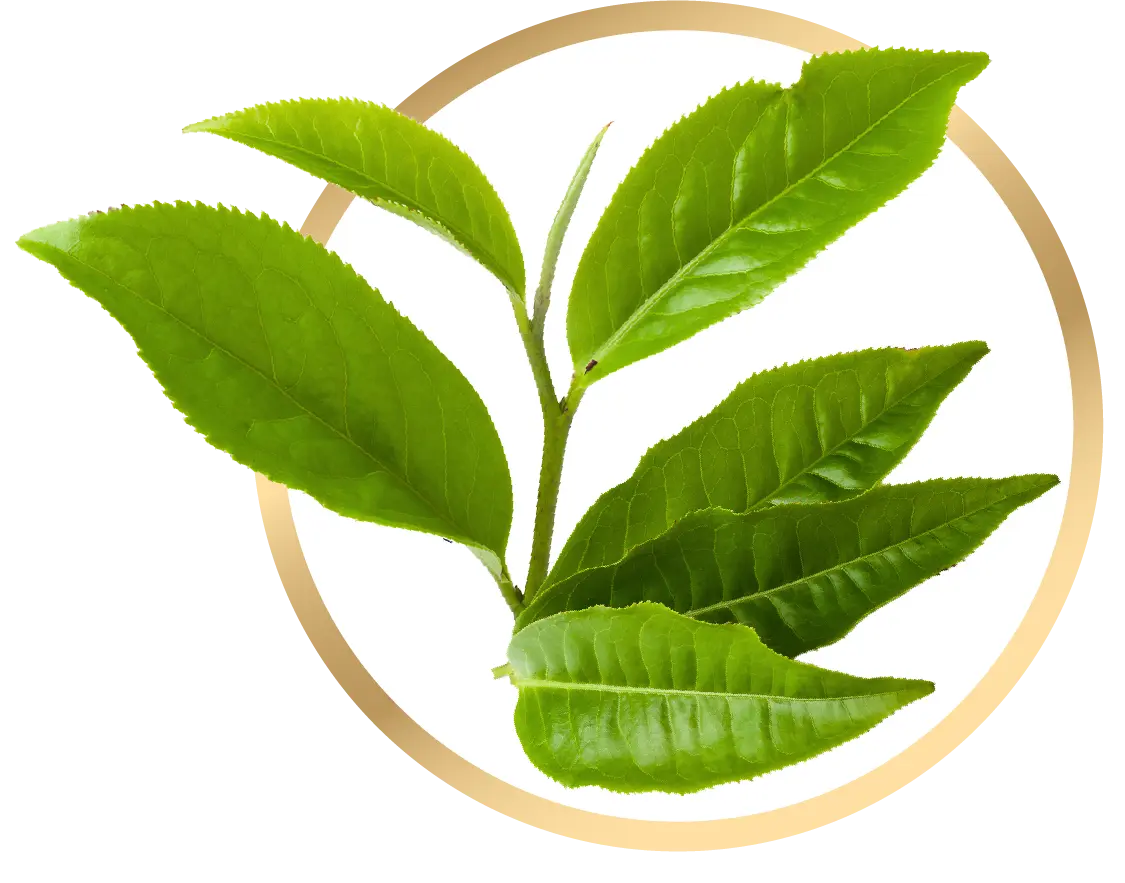
Yerba mate — brewed from the dried leaves and stems of the South American shrub-tree Ilex paraguariensis — has seen consumption climb sharply outside its traditional range: Poland alone saw an 8-fold increase in yerba mate imports between 2012 and 2018. A 2020 review in the Iranian Journal of Basic Medical Sciences analyzed the scientific literature on its health effects, and the picture that emerges is a beverage with several genuinely supported benefits alongside a few claims that don’t hold up.
What’s Actually in the Cup
Yerba mate provides a decent amount of vitamin C (about 25–30% of the daily target per 100 g of dried leaves), smaller amounts of B-vitamins, and minerals including potassium, calcium, magnesium, and manganese. Its energizing effect comes from a trio of xanthine alkaloids — caffeine, theobromine, and theophylline — the same class of stimulant compounds found in coffee, chocolate, and tea.
Where the Evidence Is Solid
Liver Protection and Cardiovascular Effects
The 2020 review confirmed a protective effect on liver cells, an anti-inflammatory effect, and a positive effect on the cardiovascular system as consistently supported findings across the literature reviewed — these aren’t fringe or single-study claims but recurring results.
Cholesterol
In a controlled study, women who were overweight and supplemented with yerba mate daily for 12 weeks, alongside a reduced-calorie diet, saw reductions in total cholesterol, LDL cholesterol, and triglycerides compared to controls — a real clinical outcome, not just an antioxidant-capacity measurement.
Antioxidant Activity
Yerba mate’s polyphenol content has documented effects on reducing systemic inflammation and insulin resistance, and improving blood pressure and lipid profiles — research consistent with its traditional reputation as a health-supporting infusion.
Where the Evidence Is Mixed or Overstated
Weight Management
A 2019 meta-analysis of clinical trials linked yerba mate consumption with reduced body weight, BMI, waist circumference, and belly fat — but the review notes these effects could be related simply to the tea’s caffeine content rather than something unique to yerba mate itself. A placebo-controlled trial in people with obesity, using three capsules daily for 12 weeks, did find significantly reduced body fat and waist circumference versus placebo — a genuine result, even if the underlying mechanism (caffeine vs. other compounds) isn’t fully separated out.
Focus, Digestion, and Mood
Claims that yerba mate improves focus, aids digestion, or boosts mood are each flagged in the literature as not well supported by direct evidence — any effect on focus or digestion likely comes from caffeine content generally (similar to coffee or tea), rather than a unique property of yerba mate, and mood-related findings (like an inverse relationship with depression risk in one study of students) need more research to confirm.
A Caveat Worth Knowing
The 2020 review specifically flags that very high consumption of yerba mate, especially when drunk very hot, may increase cancer risk — a finding the review describes as “not unequivocally confirmed by scientific studies to-date,” meaning it’s a real signal worth being aware of, not a settled conclusion, and is specifically tied to drinking temperature and volume rather than yerba mate itself at moderate, normal-temperature intake.
The Bottom Line
Yerba mate has genuine, multiply-confirmed support for liver protection, cardiovascular benefits, and — in at least one controlled trial — meaningful improvements in cholesterol and body composition. Its energizing and appetite effects are real but substantially explained by its caffeine content rather than a unique mechanism, and very high, very hot consumption carries a caution flag worth taking seriously rather than a proven risk to be dismissed.
References
[1] Lutomski, P.; Goździewska, M.; Florek-Łuszczki, M. “Health properties of Yerba Mate.” Ann. Agric. Environ. Med. 2020. https://doi.org/10.26444/aaem/119994 (open access)
[2] Bost, H. “10 Health Benefits of Yerba Mate.” The Checkup by SingleCare, reviewed.