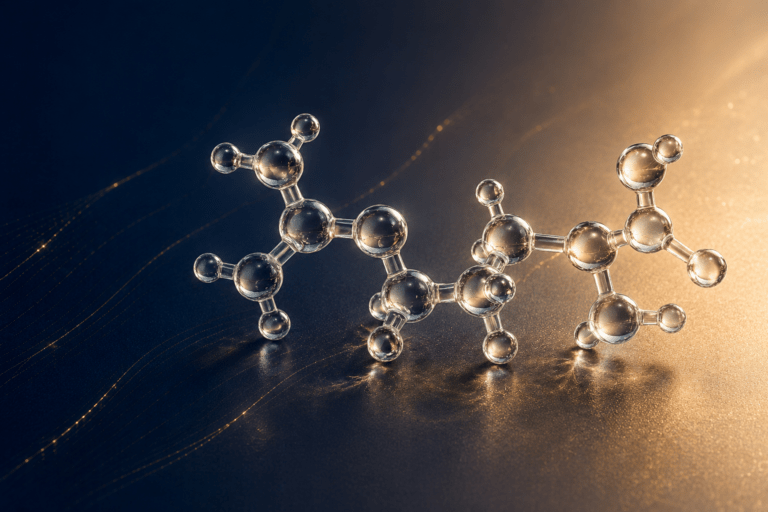
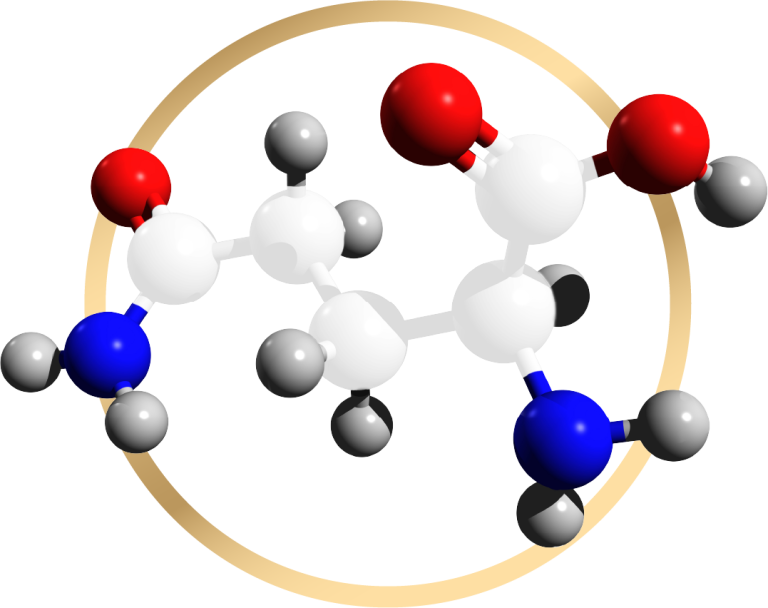
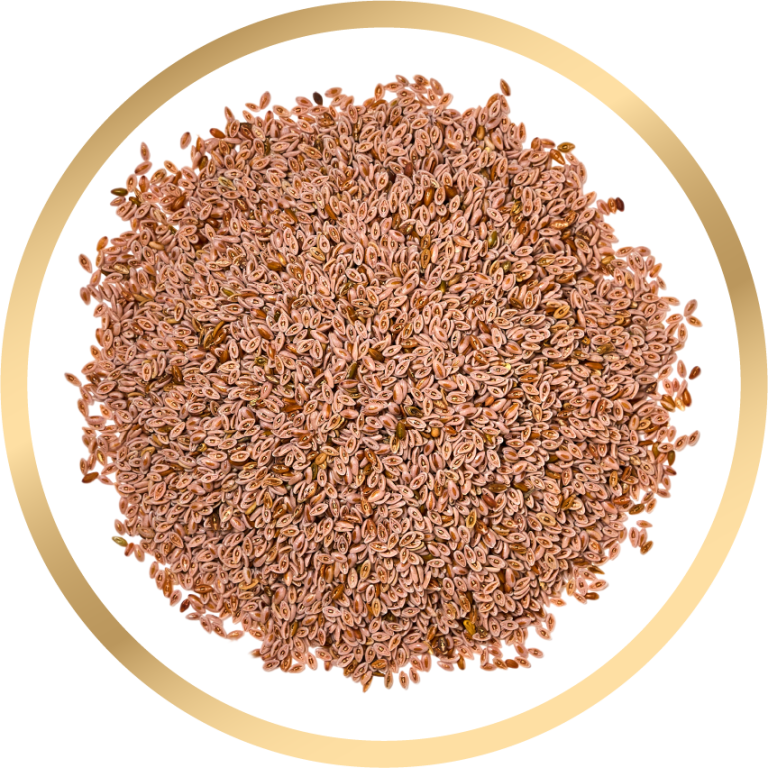
Papaya’s reputation as a digestive aid comes down almost entirely to one molecule: papain, a protein-digesting enzyme concentrated in the fruit’s latex and unripe flesh. A 2024 review in the Arabian Journal of Chemistry examined papain’s biochemistry and pharmacological activity in detail — cutting through marketing claims to look at what papaya’s signature compound actually does.
What Papain Is
Papain is a cysteine-protease enzyme — a protein-cutting catalyst — found throughout the papaya plant but concentrated in its latex. It’s a well-characterized molecule (its 3D structure has been solved to 1.65 Å resolution) that works optimally in a fairly specific range: temperatures around 50–60°C and a pH between 4.5 and 6.7, with its activity boosted in the presence of magnesium ions.
The Digestive Case
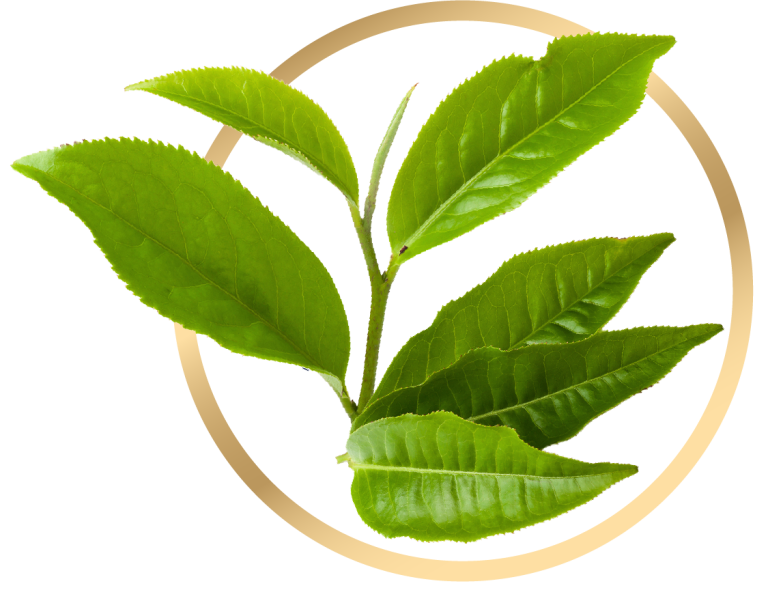
Papaya has a long history of traditional use for digestive and gastrointestinal complaints, and the mechanism is direct rather than speculative: papain aids the digestion of dietary protein by breaking peptide bonds, the same basic chemistry that makes it useful as a meat tenderizer. Green papaya leaf tea has traditional use for aiding digestion, and Caricol®, a standardized papaya-based extract, has research behind its use in supporting a healthy digestive system.
Antioxidant and Calming Effects
Papain itself has documented antioxidant properties, which the review connects to a reduction in oxidative stress — a contributor to a wide range of chronic conditions. Separately, papaya has been studied for sedative and anxiolytic (anxiety-reducing) effects, which researchers attribute at least partly to these same antioxidant properties rather than to a distinct calming compound.
Beyond Digestion: A Broader Enzyme Profile
The review also documents papain’s use in wound healing (topical papain and chymopapain have been used to treat infected pediatric burns and promote clean wound granulation) and its long-standing industrial role as a meat tenderizer and beer-clarifying agent — practical applications that reflect the same core property (protein breakdown) that underlies its digestive use.
A Note on Safety
The review specifically flags that unripe or semi-ripe papaya, which contains high levels of latex, should be approached with caution during pregnancy — animal research found the high latex content could cause uterine contractions, though the review notes more research in humans is needed to confirm the actual risk level. Fully ripe papaya, low in latex, is not flagged with the same concern.
The Bottom Line
Papaya’s digestive reputation rests on real, well-characterized enzyme chemistry — papain genuinely breaks down dietary protein, and this isn’t a speculative or purely traditional claim. The antioxidant and anti-inflammatory findings add a secondary layer of support, though — as the review’s authors themselves note — more research is still needed to fully map papain’s mechanisms and clinical applications beyond its established digestive and industrial uses.
References
[1] Ayodipupo Babalola, B.; Akinwande, A.I.; Otunba, A.A.; Adebami, G.E.; Babalola, O.; Nwufo, C. “Therapeutic benefits of Carica papaya: A review on its pharmacological activities and characterization of papain.” Arab. J. Chem. 2024, 17, 105369. https://doi.org/10.1016/j.arabjc.2023.105369 (open access)