From DR. DIMITRIOS SAMARAS (President of Nooria Scientific Advisory Board)
published in April 2025

Stress has become an inescapable part of modern life, affecting millions of people worldwide. Whether it arises from work, relationships, financial concerns, or health issues, chronic stress can have detrimental effects on both physical and mental well-being. Long-term exposure to stress has been linked to an increased risk of developing non-communicable diseases such as heart disease, diabetes, and obesity (Cohen et al.). Therefore, effective stress management strategies are crucial for maintaining overall health and quality of life. This essay explores various evidence-based approaches to stress management, including lifestyle changes, psychological techniques, and the role of dietary and natural supplements in regulating stress responses.
Understanding the Effects of Stress
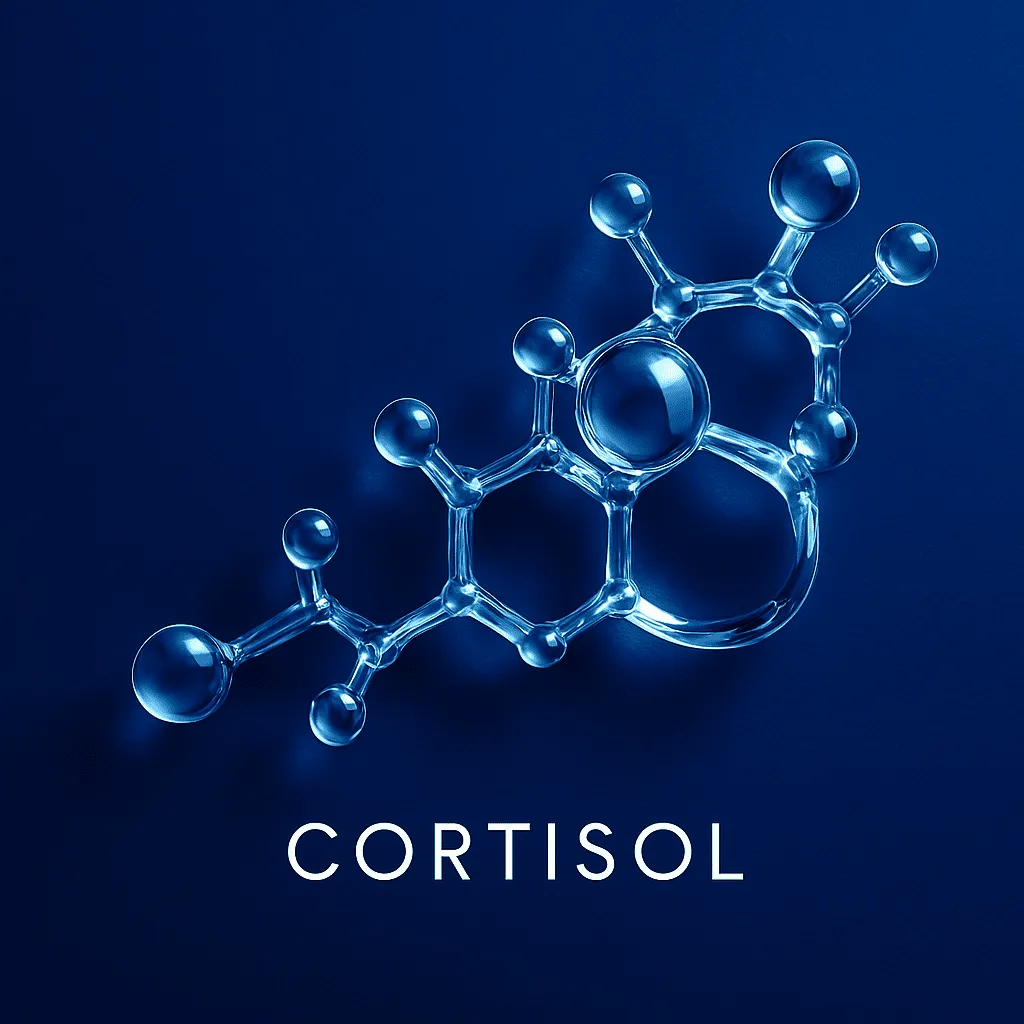
When faced with a stressful situation, the body responds by releasing stress hormones, particularly cortisol, which prepares the body for a “fight-or-flight” reaction. While short-term cortisol release is essential for survival, prolonged elevation of this hormone can lead to serious health complications, such as high blood pressure, weight gain, and immune system suppression (Sapolsky). Therefore, effective cortisol management is essential to reduce the negative effects of chronic stress and enhance resilience.
Lifestyle Strategies for Stress Reduction
A balanced lifestyle plays a fundamental role in stress management. Regular physical activity, such as walking, yoga, or strength training, has been shown to lower cortisol levels and improve mood by boosting endorphins (Ratey & Loehr). Additionally, sleep quality is essential; poor sleep has been directly linked to elevated cortisol and increased stress reactivity. Prioritizing good sleep hygiene, such as maintaining a consistent bedtime, reducing screen time before bed, and avoiding caffeine late in the day, can help manage stress more effectively.
Another important aspect is diet. Nutrient-rich foods, including leafy greens, fatty fish, nuts, and whole grains, contribute to brain health and emotional stability. Daily vitamins, particularly B-complex vitamins, magnesium, and omega-3 fatty acids, have been shown to support nervous system function and help in stress reduction (Berk et al.).
Psychological Techniques to Manage Stress
In addition to lifestyle modifications, psychological techniques such as mindfulness, cognitive-behavioral therapy (CBT), and relaxation exercises can be highly effective in stress reduction. Mindfulness meditation helps individuals develop a non-judgmental awareness of their thoughts and emotions, leading to a reduction in stress reactivity and an improvement in emotional regulation (Grossman et al.). CBT, on the other hand, focuses on identifying and restructuring negative thought patterns that contribute to stress and anxiety.
Breathing exercises and progressive muscle relaxation (PMR) are also valuable techniques. These methods activate the parasympathetic nervous system, which helps counteract the stress response by slowing heart rate and promoting relaxation.

The Role of Natural and Dietary Supplements in Stress Management
While lifestyle changes and psychological strategies form the foundation of stress management, dietary supplements can play a complementary role in reducing stress and supporting overall well-being. Stress management supplements, including adaptogens like ashwagandha and rhodiola, have been shown to regulate cortisol levels and improve the body’s resilience to stress (Lopresti et al.). Similarly, supplements to lower cortisol, such as phosphatidylserine and L-theanine, have been found to reduce stress-related symptoms and promote relaxation.
Cortisol supplements, which include bioavailable forms of vitamin C and B vitamins, can also help in modulating the body’s stress response. Additionally, stress supplements containing natural ingredients like valerian root and passionflower can support nervous system health and improve sleep quality, further enhancing stress resilience.
Conclusion
Managing stress is essential for maintaining long-term health and preventing the negative effects of chronic stress on the body and mind. A holistic approach that includes lifestyle modifications, psychological techniques, and dietary support can significantly improve resilience to stress. While stress supplements and cortisol management strategies can aid in stress relief, they should be used in conjunction with a healthy diet, regular exercise, and mindfulness practices. By integrating these strategies into daily life, individuals can achieve better stress control and overall well-being.
References
Berk, Michael, et al. “Nutritional medicine as mainstream in psychiatry.” The Lancet Psychiatry, vol. 1, no. 5, 2014, pp. 271-274.
Cohen, Sheldon, et al. “Chronic stress, immunity, and disease.” Psychosomatic Medicine, vol. 67, no. 5, 2005, pp. 574-578.
Grossman, Paul, et al. “Mindfulness-based stress reduction and health benefits: A meta-analysis.” Journal of Psychosomatic Research, vol. 57, no. 1, 2004, pp. 35-43.
Lopresti, Adrian L., et al. “A review of peripheral biomarkers in major depression: The potential of inflammatory and oxidative stress biomarkers.” Progress in Neuro-Psychopharmacology and Biological Psychiatry, vol. 64, 2016, pp. 117-124.
Ratey, John J., and Richard Manning. Spark: The Revolutionary New Science of Exercise and the Brain. Little, Brown and Company, 2008.
This content is for informational purposes only and is not intended as medical advice. Always consult a qualified healthcare professional before starting any new supplement, diet, or exercise program. These statements have not been evaluated by regulatory health authorities. Nooria products are not intended to diagnose, treat, cure, or prevent any disease.