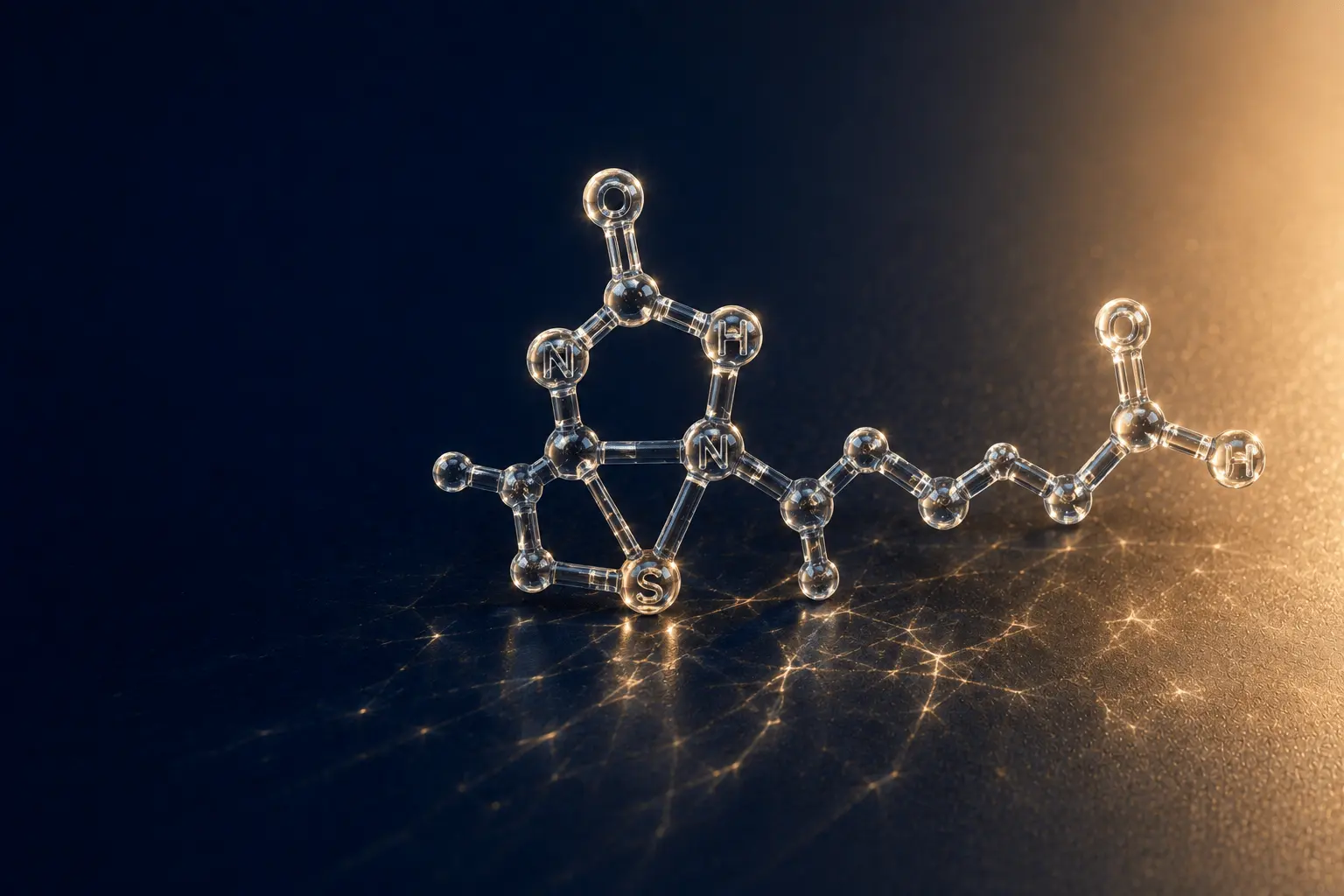
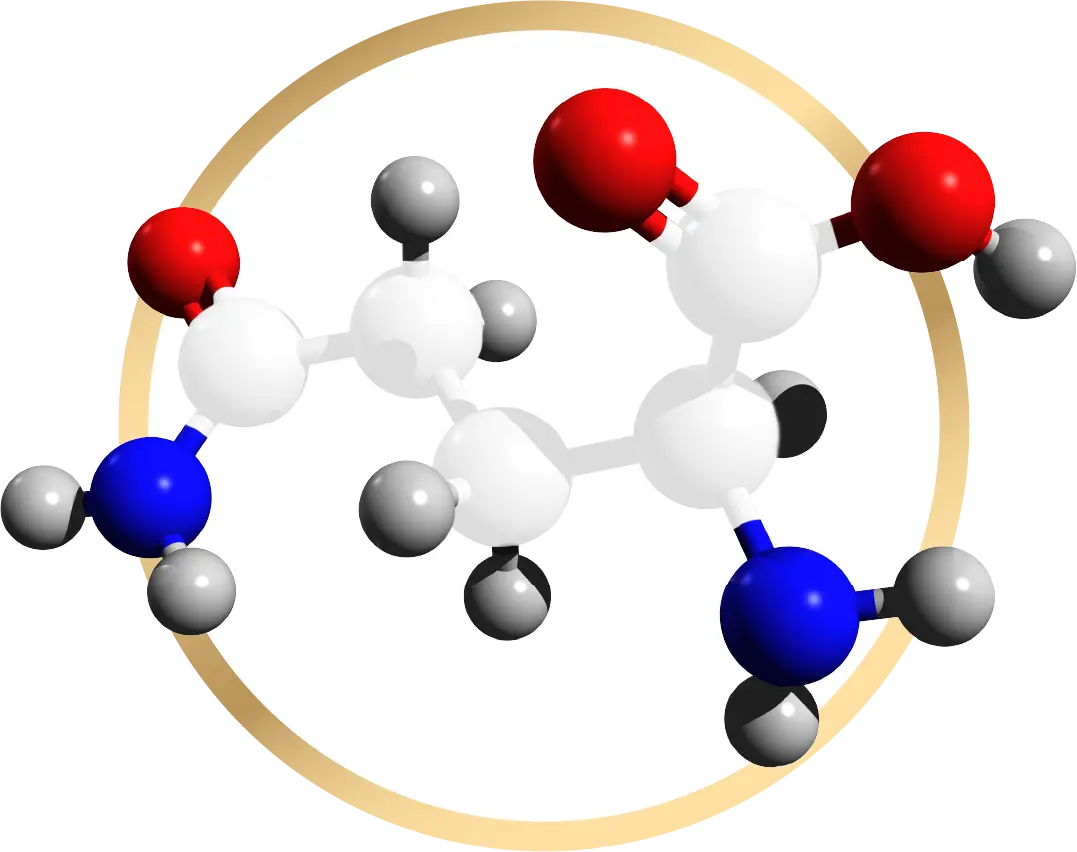
L-lysine is one of nine essential amino acids — the body has no pathway to synthesize it, so every bit has to come from food or supplements. It’s typically low in cereal-based foods, which is why lysine status is a genuine nutritional consideration for people eating grain-heavy diets, and why it’s a recognized supplement ingredient in its own right, distinct from generic protein or amino-acid blends.
What Lysine Actually Does
Beyond its basic role as a protein-building block, lysine is a precursor to carnitine — the molecule responsible for transporting fatty acids into mitochondria to be converted into energy — and has documented roles in reducing protein degradation and stimulating protein synthesis. It’s also been studied specifically alongside strength training: lysine supplementation before resistance exercise is believed to increase exercise-induced growth hormone release, a mechanism of interest for supporting muscle mass and strength.
A Well-Known, if Under-Discussed, Use Case
Lysine supplements have research behind a specific, recurring use: helping prevent the recurrence of certain viral infections, including herpes simplex (cold sores) and human papillomavirus, and improving associated symptoms. The proposed mechanism involves competition — lysine and arginine share the same transport system into cells, and some viruses require higher arginine-to-lysine ratios to replicate efficiently, so higher lysine intake can shift that balance unfavorably for viral replication.
What a 2023 Study Found About Excess Intake
A study in Scientific Reports tested lysine supplementation in rats at levels well above typical dietary requirement — 1.5%, 3%, and 6% of the diet — to understand what happens when intake goes past what’s needed. The average American already consumes about 75 mg/kg body weight per day of lysine from diet, more than double the estimated requirement of 30 mg/kg/day, so the question of what “excess” supplementation does is a genuinely practical one, not a purely theoretical one.
What Happened at High Doses
The study found that free lysine supplementation, above what the diet required, reduced overall protein quality of the diet and modified serum concentrations of numerous other amino acids — including reduced levels of several essential amino acids like methionine, cysteine, tryptophan, and valine. At the highest doses tested, this amino acid imbalance was associated with reduced body weight gain and signs of growth retardation, an effect that was more pronounced in diets that were already lower in overall protein.
Why This Happens
The mechanism appears to be genuine amino acid antagonism: because lysine and arginine compete for the same absorption and transport pathways, excess free lysine can reduce the absorption and serum availability of other amino acids the body needs, effectively creating a relative deficiency of them even while lysine itself is abundant. Adding supplemental arginine alongside high-dose lysine partially reversed several of these adverse effects in the study.
The Bottom Line
Lysine’s essential, non-negotiable role in protein synthesis, carnitine production, and antiviral immune support is well-established — this isn’t a “does it even work” ingredient. What the 2023 research adds is a genuinely useful caution: unlike some nutrients where “more is roughly fine,” free lysine well above dietary need can create amino acid imbalances that work against the very protein quality and growth outcomes it’s meant to support. The practical takeaway from the study’s own authors is that supplemental lysine should stay proportionate to overall dietary protein intake, rather than being added in isolation at high doses.
References
[1] Xiao, C.-W.; Hendry, A.; Kenney, L.; Bertinato, J. “L-Lysine supplementation affects dietary protein quality and growth and serum amino acid concentrations in rats.” Sci. Rep. 2023, 13, 19943. https://doi.org/10.1038/s41598-023-47321-3 (open access)