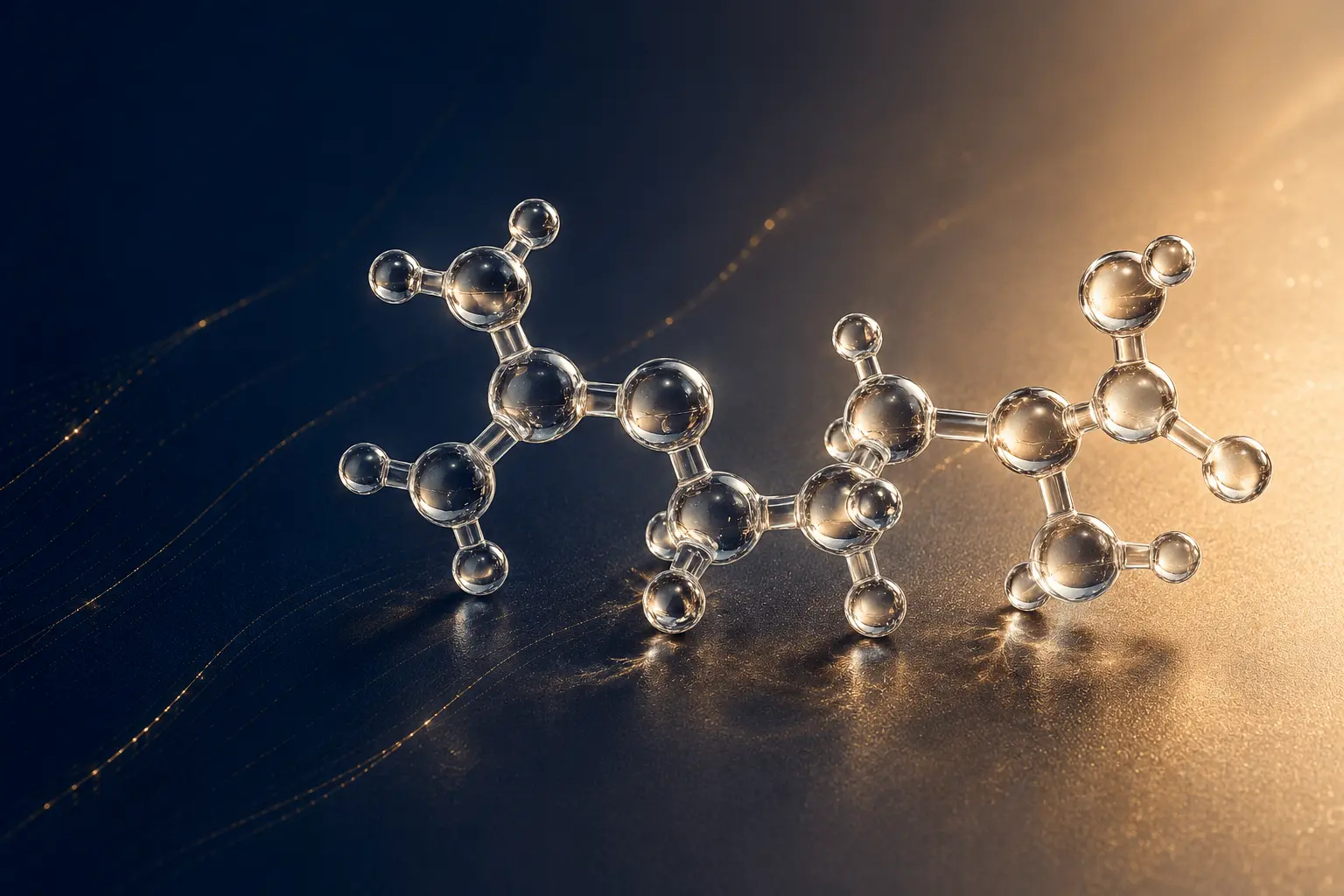
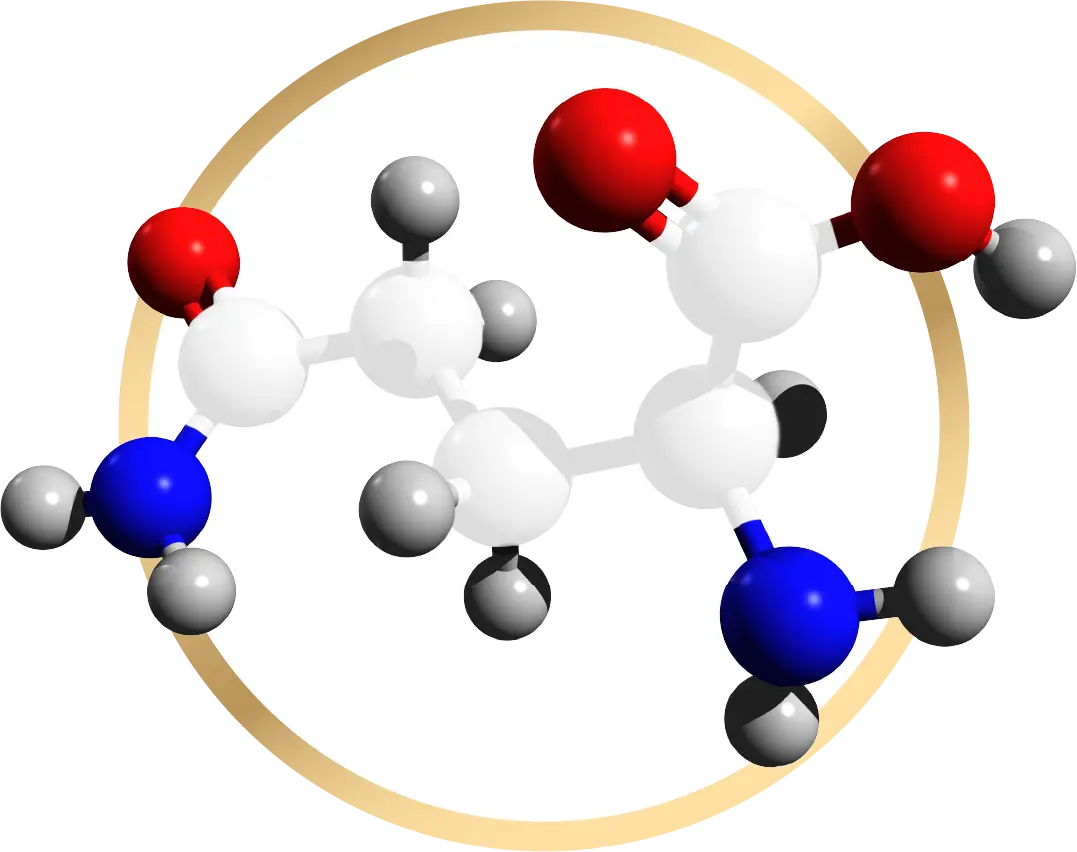
Among the three branched-chain amino acids — leucine, isoleucine, and valine — leucine and isoleucine have been studied fairly extensively for their roles in muscle protein synthesis and mitochondrial regulation. Valine has received comparatively little dedicated attention, despite being just as prevalent. A 2024 study in Bioscience, Biotechnology, and Biochemistry set out to close that gap, examining valine’s direct effect on mitochondrial function and oxidative stress in muscle cells.
Why Mitochondria Matter Here
Mitochondria produce the ATP that powers nearly every cellular process, and they’re also central to fatty acid oxidation, cell survival, and apoptosis. Mitochondrial dysfunction is linked to oxidative stress and cellular damage across a wide range of metabolic diseases — and in skeletal muscle specifically, excess reactive oxygen species (ROS) production can trigger muscle damage signaling. Understanding what supports healthy mitochondrial function in muscle cells is directly relevant to muscle health, not just a downstream biochemistry curiosity.
What the Study Found
Valine Increased Mitochondrial Biogenesis
Valine treatment upregulated the expression of PGC-1α and PGC-1β — the master transcriptional regulators of mitochondrial biogenesis (the process of making new, healthy mitochondria) — along with related genes (mitofusin-1, mitofusin-2, Fis1) that govern mitochondrial dynamics and function.
Valine Increased Actual Mitochondrial Output
Using high-resolution respirometry, valine treatment significantly increased oxygen consumption rate across basal respiration, maximal respiratory capacity, and spare respiratory capacity — real functional measures of how much energy-producing work the mitochondria could do, not just gene expression changes. Total ATP production also increased significantly with valine treatment, specifically through oxidative phosphorylation (the mitochondria’s main energy-production pathway) rather than glycolysis.
Valine Protected Against Oxidative Stress Damage
When muscle cells were exposed to hydrogen peroxide (H₂O₂) to induce oxidative stress, valine pretreatment significantly reduced the resulting rise in reactive oxygen species — cells treated with H₂O₂ alone showed ROS-positive rates of 55.6%, while cells pretreated with valine before H₂O₂ exposure dropped to 28.8%, roughly half. Valine also blocked the H₂O₂-induced increase in 4-HNE, a marker of oxidative damage to cell membranes, and restored the ATP production that H₂O₂ had suppressed.
A Distinct Role From Leucine and Isoleucine
The researchers note this is among the first studies to specifically isolate valine’s effect on mitochondrial function, separate from the other BCAAs — most prior BCAA research has focused on leucine and isoleucine, or tested the three amino acids together. Notably, unlike leucine and isoleucine, valine in this study did not appear to worsen insulin sensitivity, a concern that has been raised about BCAA supplementation generally in some research contexts.
The Bottom Line
This cell-culture study demonstrates a clear, multi-pronged mechanism for valine specifically: it boosts mitochondrial biogenesis, increases actual ATP-generating respiratory capacity, and meaningfully protects muscle cells from oxidative stress damage when it occurs. As an in vitro study, it establishes the mechanism convincingly but doesn’t itself confirm the same effect in living muscle tissue — the authors frame it as building the case for valine’s specific, previously under-studied role in mitochondrial protection.
References
[1] Sharma, S.; Zhang, X.; Azhar, G.; Patyal, P.; Verma, A.; KC, G.; Wei, J.Y. “Valine improves mitochondrial function and protects against oxidative stress.” Biosci. Biotechnol. Biochem. 2024, 88, 168–176. https://doi.org/10.1093/bbb/zbad169