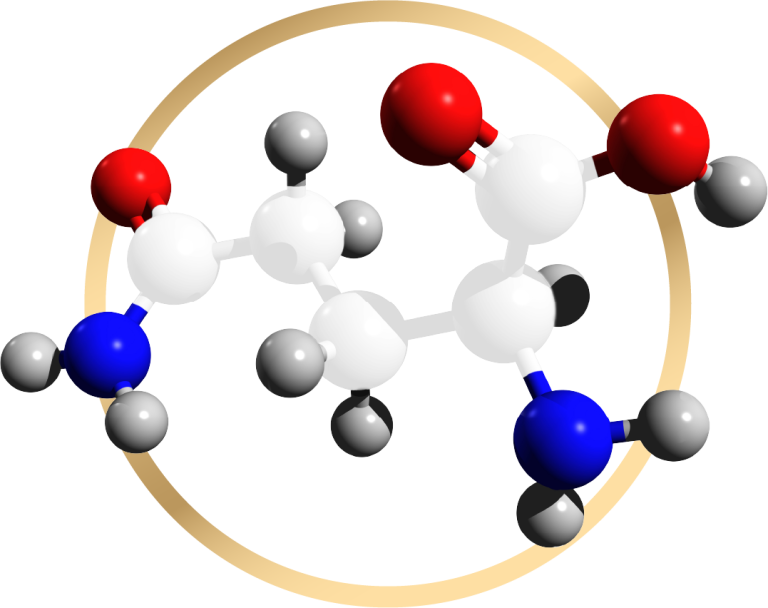
Green tea extract is one of the most-researched weight-management ingredients around, largely because of its catechin content — polyphenol compounds, the most abundant and active being EGCG (epigallocatechin-3-gallate). A widely cited review in Advances in Nutrition pulled together the human trial evidence on GTE and fat oxidation specifically, at rest and during exercise, and the honest picture it presents is “promising but inconsistent” rather than a settled case.
What “Fat Oxidation” Actually Means Here
Fat oxidation is the body’s rate of burning fat for fuel, as opposed to carbohydrate. Endurance athletes benefit from a higher capacity to oxidize fat because it spares muscle glycogen and delays fatigue; for people managing weight, a metabolically flexible ability to shift toward fat-burning is considered a favorable trait. GTE has been studied as a dietary strategy to shift that balance, both at rest and during physical activity.
The Short-Term Evidence
Several controlled studies found that a single dose of GTE meaningfully increased fat oxidation over 24 hours compared with placebo — in one trial, resting fat oxidation rose from about 76 to 82 g/24h with GTE containing 270 mg EGCG plus caffeine, an effect the researchers concluded was independent of the caffeine itself. But the picture isn’t uniform: other trials using different catechin doses or formulations found no significant increase, and one dose-response study found no meaningful differences in fat oxidation across four different EGCG doses (270 to 1200 mg/day) despite all doses raising 24-hour energy expenditure.
Longer-Term Intake Looks More Consistent — With a Catch
Studies running 8 to 12+ weeks generally reported more favorable results: one 12-week trial in obese adults found GTE (750 mg/day catechins) significantly lowered fasting respiratory quotient (a marker that a higher share of fuel is coming from fat) and raised energy expenditure by weeks 8 and 12. But a separate 12-week dietary-restriction study in overweight women found the benefit only showed up in participants with lower habitual caffeine intake — in people who already consumed a lot of caffeine day-to-day, GTE made no measurable difference. That’s an important nuance: GTE’s effect may depend on how much caffeine someone is already consuming from other sources.
Mechanisms Are Still Genuinely Unclear
The most commonly cited mechanism — EGCG inhibiting the enzyme catechol-O-methyltransferase (COMT), which would prolong the activity of fat-mobilizing catecholamines — is well-supported in vitro but has little supporting evidence in living humans; in vivo catechin concentrations after normal intake are far below what in vitro studies use, and once catechins are metabolized (conjugated) in the body, they mostly lose that inhibitory potency. The review is explicit that “there is little or no evidence that the COMT mechanism is responsible for changes in fat oxidation in humans,” despite it being the most repeated explanation. Longer-term effects may instead work through changes in gene expression for fat-metabolism enzymes in liver, fat, and muscle tissue — supported mainly by animal studies so far.
Why the Studies Disagree With Each Other
Ethnicity is one factor the review highlights: a meta-analysis found GTE-associated weight loss averaged 1.51 kg in studies using Asian populations versus 0.82 kg in studies using Caucasian populations, which may partly explain why trials using mostly non-Asian participants have found smaller or null effects. Day-to-day biological variation in fat oxidation measurement itself (as high as 25% at rest) is also large enough to make a modest GTE effect genuinely hard to detect in smaller studies.
The Bottom Line
Across the reviewed literature, green tea extract has shown a real capacity to increase fat oxidation and energy expenditure in a meaningful number of controlled human trials — but not all of them, and not consistently across short-term versus long-term intake, catechin dose, or population. The review’s own conclusion is measured: on balance, evidence supports a fat-oxidation benefit from shorter-term GTE intake, but the mechanisms remain unclear and “more research needs to be performed” — a fair summary that neither dismisses nor oversells the ingredient.
References
[1] Hodgson, A.B.; Randell, R.K.; Jeukendrup, A.E. “The Effect of Green Tea Extract on Fat Oxidation at Rest and during Exercise: Evidence of Efficacy and Proposed Mechanisms.” Adv. Nutr. 2013, 4, 129–140. https://doi.org/10.3945/an.112.003269 (open access)