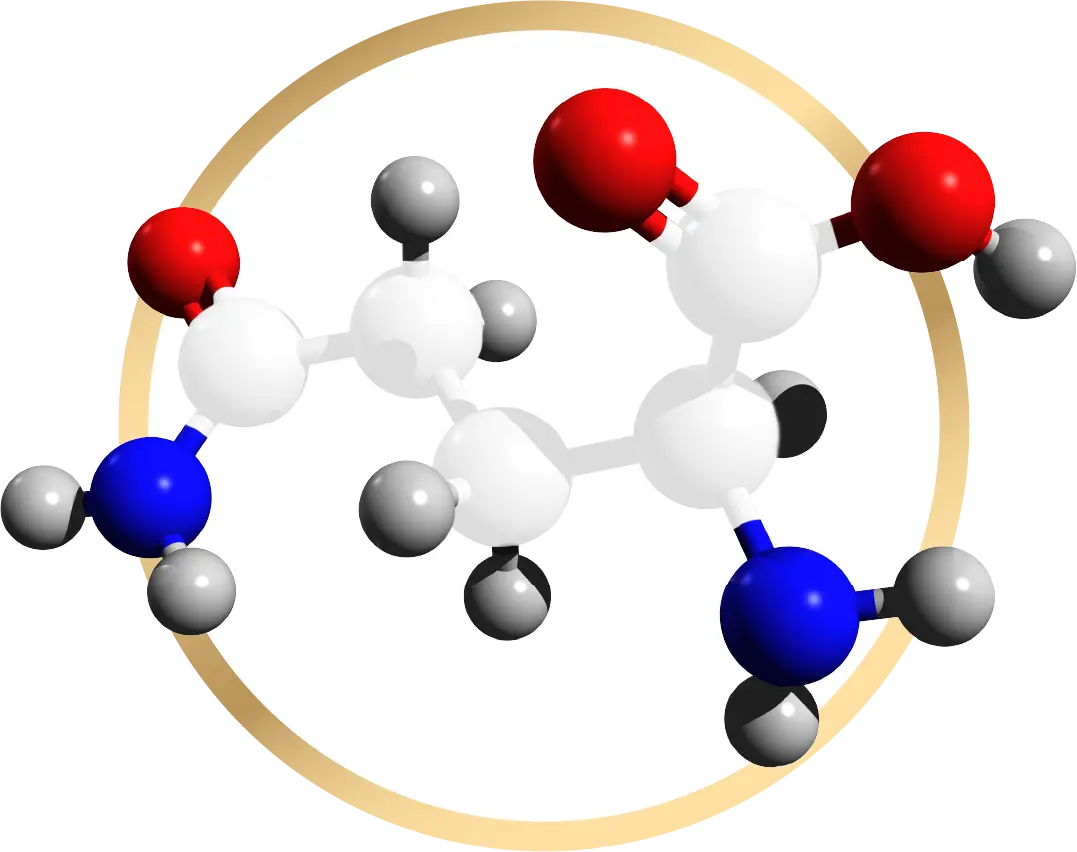
Taurine is one of the most misunderstood ingredients in the supplement aisle — most famously thanks to a persistent myth that it’s extracted from bull semen (it isn’t; it was first isolated in 1827 from ox bile, and the name comes from Bos taurus, the Latin name for cattle). Beyond the folklore, taurine is a genuinely well-studied sulfur-containing amino acid, concentrated in the brain, eyes, heart, and muscles, with a real evidence base behind some of its uses and a notably thin one behind others.
What Taurine Actually Is
Unlike most amino acids, taurine isn’t used to build proteins — it’s a “conditionally essential” amino acid, meaning the body makes enough on its own most of the time, but demand can rise during illness and physical stress. It’s found naturally in meat, fish, and eggs, and taurine deficiency is considered unlikely in healthy adults eating a typical diet, since the body both produces it and gets it from food.
Where the Evidence Is Genuinely Strong
Heart Failure
Taken by mouth, taurine is rated as “possibly effective” for congestive heart failure and fluid buildup — clinical evidence indicates it can improve heart function, reduce symptoms, and increase exercise capacity in people with CHF. The proposed mechanism involves taurine’s role in supporting nerve growth and calming the nervous system, alongside a blood-pressure-lowering effect that may help prevent heart failure from progressing.
Liver Function
Taurine is also rated “possibly effective” for hepatitis-related liver swelling (inflammation) — taken by mouth, it has been shown to improve liver function in people with hepatitis, consistent with taurine’s broader documented role in liver cell protection.
Where the Evidence Doesn’t Hold Up
Taurine is rated “possibly ineffective” for one of its most commonly marketed uses: weight loss. Taking taurine by mouth doesn’t appear to reduce body weight in people who are overweight or obese, despite it being frequently marketed alongside athletic performance and fat-loss claims. It’s also commonly marketed for diabetes, general athletic performance, and fatigue — but the evidence for these uses is explicitly described as insufficient to draw conclusions either way.
Dosing and Safety
Taurine is commonly consumed in foods, and as a supplement it’s considered possibly safe when used for up to about a year, most often studied at doses around 6 g/day in adults. It does carry two documented moderate drug interactions worth knowing: it may slow how quickly lithium is cleared from the body (raising lithium levels), and combined with blood-pressure medication it may cause blood pressure to drop too low.
The Bottom Line
Taurine has real, clinically supported roles in heart failure management and liver function support — genuine evidence, not just theoretical biochemistry. What it does not have good evidence for is weight loss, despite that being one of its most common marketing angles. The bull-semen origin story is also simply false — a reminder that even well-established ingredients pick up misinformation that’s worth separating from the actual research.
References
[1] WebMD. “Taurine — Uses, Side Effects, and More.” Reviewed clinical reference.
[2] Cotter, A. “What Is Taurine? Benefits, Side Effects, and More.” Healthline, medically reviewed.