Weight management advice usually focuses on what you eat. Less attention goes to a quieter variable that shapes how much of that food ends up stored as fat: how sharply your blood sugar spikes after a meal. Large, fast glucose spikes trigger a matching insulin spike, and insulin is fundamentally a storage hormone — repeated spikes over time are linked to increased fat storage, rebound hunger, and energy crashes a couple of hours after eating. Inavea, a branded blend of cinnamon bark extract and acacia gum fiber developed by the ingredient manufacturer Nexira, is designed to blunt exactly that spike.
Two Ingredients, Two Complementary Mechanisms
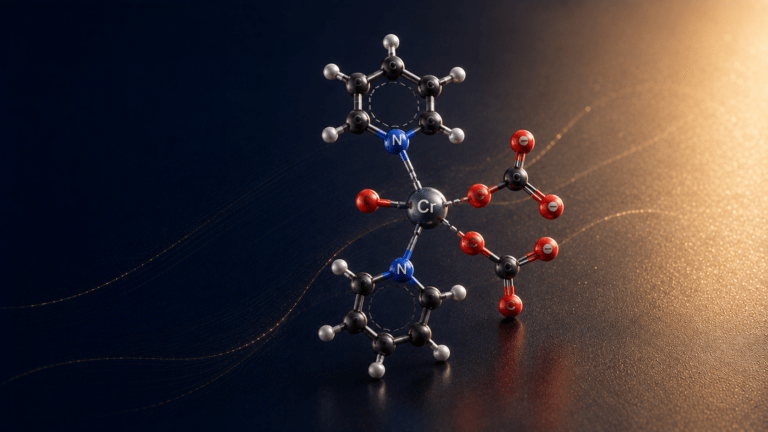
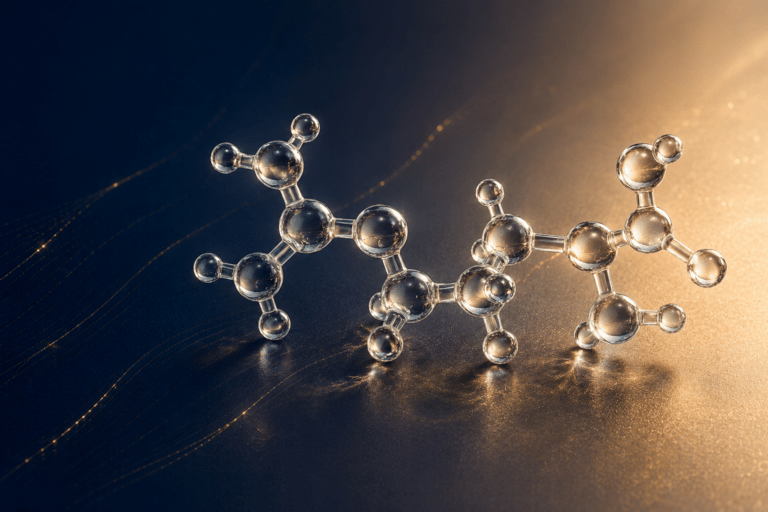
Cinnamon bark extract (from Cinnamomum zeylanicum) has a body of research behind its effect on carbohydrate metabolism, largely attributed to compounds that appear to slow the breakdown of starches into glucose and support the way cells respond to insulin. Acacia gum, a soluble fiber extracted from the sap of the Acacia senegal tree, works through a different route: as a viscous, fermentable fiber, it slows gastric emptying and the rate at which glucose from a meal enters the bloodstream, while also feeding beneficial gut bacteria.
Blunting the Post-Meal Glucose Spike
Combined, the two ingredients target the same outcome from two different mechanisms — one slowing carbohydrate digestion and absorption, the other supporting the body’s glucose-handling response — which is the rationale behind pairing them rather than using either alone. Clinical research on the combination has focused specifically on the post-prandial period (the one to two hours after eating), measuring a smoothed, lower glucose peak compared with a placebo meal.
Why This Matters for Weight Management, Not Just Blood Sugar
Blood sugar control and appetite are more connected than they might seem. A sharp glucose spike followed by an equally sharp drop is one of the more common triggers for mid-afternoon cravings and overeating at the next meal. By flattening that curve, ingredients like Inavea aim to support steadier energy and satiety between meals — a mechanism-based rationale for inclusion in a weight-management formula, rather than a direct fat-burning claim.
A Gut Health Angle, Too
Acacia gum’s role as a prebiotic fiber is a secondary but meaningful part of the picture. As a fermentable fiber, it supports a favorable balance of gut bacteria, which is itself increasingly linked in the research literature to metabolic health and weight regulation — one more reason the two ingredients are formulated together rather than in isolation.
Where Inavea Fits Into a Nooria Routine
Inavea is the lead ingredient in Nooria’s https://shop.nooria-swiss.com/collections/shop-all/products/contoor/?region=usd, described as a halal prebiotic fiber clinically studied to support gut microbiome balance and metabolic health — the same post-meal glucose management and gut-health rationale behind the ingredient’s formulation.
The Bottom Line
Not every weight-management strategy has to center on cutting calories further. Managing how the body responds to the meals you’re already eating — flattening glucose spikes and supporting gut health in the process — is a mechanistically sound, complementary angle, and it’s the specific gap Inavea’s cinnamon-and-acacia combination is designed to fill.
References
[1] Nexira. “inavea™ CINNAMON ACACIA” ingredient technical brochure — clinical data on post-prandial glycemic response and gut microbiome support.
This content is for informational purposes only and is not intended as medical advice. Always consult a qualified healthcare professional before starting any new supplement, diet, or exercise program. These statements have not been evaluated by regulatory health authorities. Nooria products are not intended to diagnose, treat, cure, or prevent any disease.