Cognitive decline is no longer viewed as an inevitable part of getting older. As life expectancy rises, the question researchers are asking has shifted from “how long can we live” to “how well can we think while we do.” Alongside strength and cardiovascular fitness, mental sharpness — memory, focus, and the ability to filter out distraction — has become a measurable, trainable part of healthy ageing.
One of the most studied natural compounds in this space is Pycnogenol®, a standardized extract of French maritime pine bark rich in procyanidins and phenolic acids. Decades of clinical research have looked at how it affects circulation, oxidative stress, and — increasingly — brain function itself.
Why Cognitive Health Deserves the Same Attention as Physical Health
The World Health Organization has identified dementia as the greatest cause of years lost to disability among adults over 60 in high-income countries. Long before a diagnosis of dementia, though, most people experience a subtler decline: slower recall, harder-to-hold focus, and a mind that tires more easily under stress. These changes are driven in large part by reduced microcirculation in the brain — less efficient delivery of oxygen and nutrients to neurons — and by cumulative oxidative damage to brain tissue over time.
The Role of Blood Flow in Mental Performance
Because neurons are highly metabolically active, they depend on a steady, efficient blood supply. Pycnogenol has been studied specifically for its effect on endothelial function — the health of the thin layer of cells lining blood vessels — which in turn influences how well oxygen and glucose reach the brain. Clinical research has shown that supplementation can improve both numerical and spatial working memory, measured using standardized computerized testing.
Who Benefits: From Students to Older Adults
Focus and Test Performance in Younger Adults
It isn’t only an older-adult concern. A clinical trial in college students found that Pycnogenol supplementation improved mental performance and reduced test-related anxiety by 17%, alongside measurable gains in sustained attention. Separate research has looked at its effect on symptoms associated with attention difficulties, including ADHD, with several studies reporting a reduction in symptoms in children.
Stress, Fatigue, and the Modern Attention Span
Chronic stress and poor sleep are two of the most common — and most modifiable — contributors to brain fog, fatigue, and difficulty concentrating. While no supplement replaces sleep or stress management, supporting the vascular and antioxidant side of brain health gives the nervous system more resilience to work with.
Where Pycnogenol Fits Into a Nooria Routine
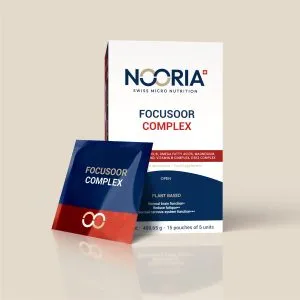
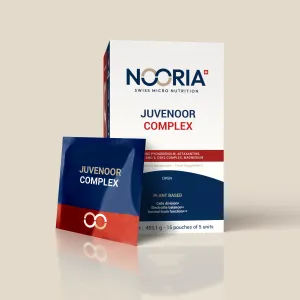
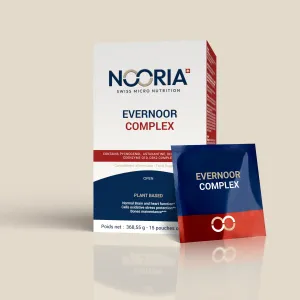
Pycnogenol is one of the active botanicals in Nooria’s Focusoor Complex, formulated specifically to support circulation, cellular protection from oxidative stress, and everyday mental clarity. It is also present in Juvenoor Complex and Evernoor Complex, reflecting how the same clinically studied ingredient can support both cognitive performance and broader cellular health depending on the formula it’s paired with.
As with any supplement supporting circulation, anyone on blood-thinning medication or with a diagnosed cardiovascular condition should speak with a doctor before adding a new botanical extract to their routine.
The Bottom Line
Brain health is not a fixed trait — it responds to the same inputs as the rest of the body: circulation, oxidative load, sleep, and stress. Pycnogenol’s clinical track record on memory, focus, and stress resilience makes it one of the better-studied natural options for people who want to support their cognitive performance rather than simply hope it holds steady.
References
[1] Belcaro, G. et al. “Pycnogenol® supplementation improves cognitive function, attention, and mental performance.” Various clinical trials on French maritime pine bark extract and cognitive/vascular function, Horphag Research.
[2] World Health Organization. Dementia fact sheet.
This content is for informational purposes only and is not intended as medical advice. Always consult a qualified healthcare professional before starting any new supplement, diet, or exercise program. These statements have not been evaluated by regulatory health authorities. Nooria products are not intended to diagnose, treat, cure, or prevent any disease.