Collagen is the most abundant structural protein in the human body. It provides strength and structure to skin, cartilage, ligaments, tendons, and bones. As natural collagen production declines with age, interest in collagen supplements has grown significantly, particularly among individuals focused on long-term skin integrity and joint resilience.
For consumers researching collagen supplements in Switzerland or seeking premium halaal collagen, understanding the science behind the ingredient is essential.
What Is Collagen?
Collagen accounts for approximately 30 percent of total body protein. It forms the structural framework that maintains connective tissue strength and elasticity.
According to the National Institutes of Health Office of Dietary Supplements, adequate protein intake plays a central role in tissue repair and structural maintenance. Collagen-derived amino acids contribute directly to these physiological processes.
There are multiple collagen types, but Types I, II, and III are most relevant for:
- Skin elasticity
- Cartilage structure
- Joint mobility
- Connective tissue resilience
Natural collagen production gradually declines beginning in the mid-20s. Environmental stressors such as UV exposure and oxidative damage can accelerate this decline.
What Are Collagen Supplements?
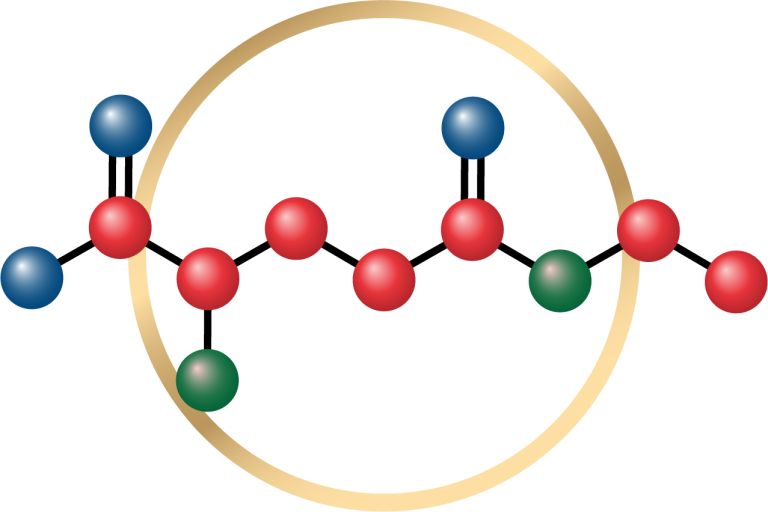
Most collagen supplements contain hydrolyzed collagen peptides. Hydrolyzation breaks collagen into smaller peptide chains, improving digestion and absorption.
Once absorbed, these peptides provide amino acids such as glycine, proline, and lysine. These amino acids act as building blocks for endogenous collagen synthesis.
Collagen supplementation does not replace collagen directly. Instead, it supports the body’s natural structural protein production pathways.
What Does the Clinical Evidence Say?
Collagen supplementation has been evaluated in multiple randomized controlled trials and systematic reviews.
Skin Elasticity and Hydration
A systematic review published in the journal Nutrients found that oral collagen peptide supplementation was associated with measurable improvements in skin elasticity and hydration after consistent use. The review concluded that hydrolyzed collagen may support dermal collagen density when taken daily over several weeks.
Joint Comfort
Research published in Current Medical Research and Opinion observed reductions in joint discomfort among physically active individuals supplementing with collagen hydrolysate, suggesting potential benefits for individuals under repetitive joint stress.
Bone Mineral Density
A randomized controlled trial also published in Nutrients reported improvements in bone mineral density among postmenopausal women who supplemented with collagen peptides over an extended period.
Within Europe, nutrition and health claims are evaluated under the framework of the European Food Safety Authority, which requires scientific substantiation before approving claims related to dietary supplements.
Who Actually Benefits from Collagen Supplements?
Collagen supplementation may be particularly relevant for:
- Adults over 25 experiencing natural collagen decline
- Individuals under high physical stress
- Post-menopausal women
- Individuals focused on skin elasticity
- Those with lower overall protein intake
Collagen works best as part of a structured nutritional strategy rather than as an isolated solution. Individuals seeking a tailored approach can evaluate suitability through the Nooria Swiss personalized supplement assessment, which considers lifestyle and physiological factors before recommending specific ingredients.
Why Formulation Quality Matters
Collagen synthesis depends on several co-factors, including:
- Vitamin C
- L-lysine
- Zinc
- Copper
Without adequate supporting nutrients, collagen intake alone may not support optimal connective tissue formation.
This is why multi-ingredient formulations are often preferred in the premium segment. The Nooria Swiss Premium Sublimoor Formula incorporates Nooria halaal collagen as a central structural component, combining multiple collagen types rather than relying on a single source.
The collagen used in the formula is characterized by clinically supported high bioavailability, meaning it is efficiently absorbed and utilized by the body. This allows effective support at carefully calibrated dosages rather than excessive intake.
Within the Sublimoor Formula, collagen is intentionally combined with complementary ingredients in precisely measured proportions. These additional components are selected to support natural collagen synthesis, enhance absorption, and work synergistically to optimize overall connective tissue support.
Why Swiss Collagen Supplements Are Associated with Higher Standards
Consumers searching for premium halaal collagen Switzerland often prioritize manufacturing origin and regulatory oversight.
Switzerland maintains strict food and nutraceutical regulations overseen by the Swiss Federal Food Safety and Veterinary Office, which monitors compliance and safety standards.
In addition, reputable manufacturers adhere to international Good Manufacturing Practice standards as outlined in the World Health Organization’s GMP guidelines, which define quality control and production safety frameworks.
More details on production and ingredient transparency are available under Nooria Swiss quality standards.
Do Collagen Supplements Really Work?
Evidence suggests collagen peptides may support:
- Skin elasticity
- Hydration
- Joint comfort
- Structural protein integrity
While many clinical studies report measurable outcomes after 8 to 12 weeks of consistent intake, high-quality, highly bioavailable collagen formulations may begin showing visible improvements earlier. The collagen used within Nooria formulas is designed for optimized absorption, with results commonly observed from around four weeks of consistent use.
Results depend on dosage, peptide quality, co-factor inclusion, and individual physiology. Collagen should be viewed as a structural support nutrient rather than a short-term cosmetic intervention.
Global Shipping Including Saudi Arabia
Nooria Swiss provides international delivery of premium Swiss halaal collagen supplements worldwide. International customers, including those in Saudi Arabia, can order directly through the Nooria Swiss international shipping page, where delivery options and regions are outlined.
This ensures access to Swiss-formulated collagen supplements across Europe, the Middle East, and beyond.
Final Perspective
Collagen plays a foundational role in connective tissue integrity. Clinical research indicates that high-quality, highly bioavailable collagen peptides, especially when combined with scientifically supported complementary ingredients, can produce measurable and noticeable results within a relatively short period of consistent use.
For individuals researching collagen supplements Switzerland or seeking premium halaal collagen, formulation depth, regulatory compliance, and manufacturing standards should guide the decision.
The Nooria Swiss Premium Sublimoor Formula reflects a structured, science-based multi-ingredient approach. Each component is precisely measured to function in synergy, supporting efficient and noticeable results while avoiding unnecessary overdosage or misuse. The formulation is developed in alignment with Swiss quality frameworks and international safety standards.
This content is for informational purposes only and is not intended as medical advice. Always consult a qualified healthcare professional before starting any new supplement, diet, or exercise program. These statements have not been evaluated by regulatory health authorities. Nooria products are not intended to diagnose, treat, cure, or prevent any disease.