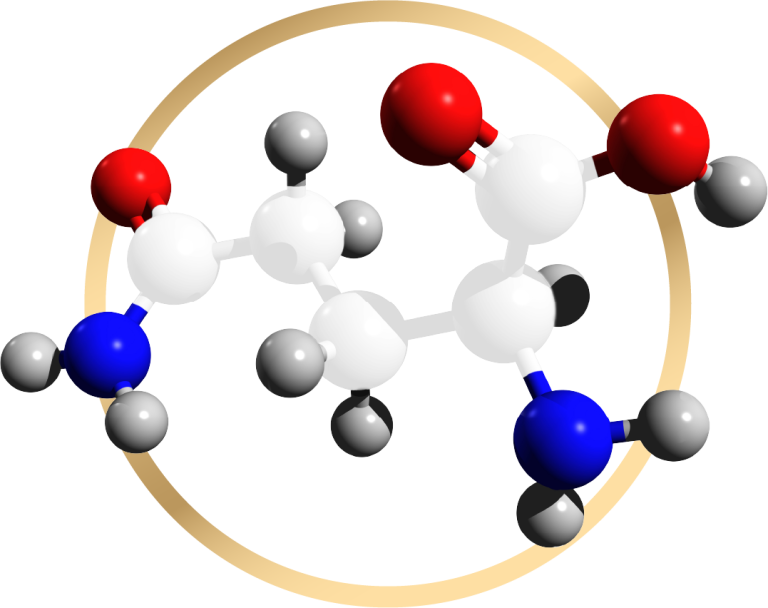
L-arginine is a semi-essential amino acid best known as the body’s precursor for nitric oxide — the molecule responsible for vasodilation, increased blood flow to muscle, and the release of growth hormone. That mechanism has made it one of the most-studied amino acids for exercise performance, though the trial evidence has historically been inconsistent. A 2021 systematic review and meta-analysis in Physiological Reports pooled 11 randomized clinical trials specifically to test its effect on VO2 max — maximal oxygen uptake, one of the most established markers of cardiovascular fitness.
Why Arginine Was a Plausible Candidate
Arginine is the direct precursor to nitric oxide, which dilates blood vessels and increases blood flow to working muscle. It’s frequently reported to improve athletic performance by delaying fatigue through altered blood lactate concentration and metabolic indices of respiration, and some studies have found it significantly reduces blood pressure and increases VO2 max. But results across individual trials have been genuinely contradictory — some finding real benefits, others finding none — which is exactly what this meta-analysis set out to resolve.
What the Meta-Analysis Found
A Small but Real Overall Effect
Across all 11 trials, arginine supplementation produced a marginal but statistically significant increase in VO2 max (weighted mean difference 0.07 L/min, 95% CI 0.00–0.13, p=0.047) — a modest effect size, but a genuine one, with no significant heterogeneity between the pooled studies.
The Form of Arginine Mattered
Subgroup analysis found that arginine taken alone (as L-arginine specifically, not combined with other metabolites or antioxidants) produced a significantly larger effect (WMD 0.11 L/min) than arginine combined with other supplements (WMD −0.06 L/min, not significant) or other forms like arginine aspartate or arginine alpha-ketoglutarate (WMD 0.01 L/min, not significant). Combining arginine with other compounds didn’t add to the effect — if anything, it diluted it in this analysis.
Shorter Trials Showed Larger Effects
Trials lasting 14 days or less showed a numerically larger effect (WMD 0.11) than trials longer than 14 days (WMD 0.05), though this duration-based difference wasn’t itself statistically significant. Dosing above or below 5 g/day did not show a clear pattern of difference.
Individual Trial Results Behind the Pooled Number
Some of the strongest individual results came from Hosseini et al. (2015), where 4 g/day of L-arginine for 4 weeks significantly increased VO2 max in futsal players, and Moazami et al. (2015), where 21 g/day for 7 days increased VO2 max in female handballists. Conversely, Burtscher et al. (2005) found that L-arginine-L-aspartate at 3 g/day resulted in lower oxygen consumption during submaximal cycling — a reminder that the combined form and the free-form amino acid don’t behave identically.
The Bottom Line
This meta-analysis — the first to specifically evaluate arginine’s effect on VO2 max — found a real, if modest, improvement with L-arginine supplementation alone, and specifically flagged that the free-amino-acid form outperformed combined or alternative arginine formulations in the pooled data. The authors are candid that the effect size is small and that further, more homogeneous trials are needed to pin down the underlying mechanism with confidence.
References
[1] Rezaei, S.; Gholamalizadeh, M.; Tabrizi, R.; Nowrouzi-Sohrabi, P.; Rastgoo, S.; Doaei, S. “The effect of L-arginine supplementation on maximal oxygen uptake: A systematic review and meta-analysis.” Physiol. Rep. 2021, 9, e14739. https://doi.org/10.14814/phy2.14739 (open access)