CoQ10 Supplements: Energy, Heart Health, and Longevity Explained
CoQ10 is a naturally occurring compound essential for cellular energy production. It is present in nearly every cell in the human body and plays a central role in mitochondrial function, antioxidant protection, and healthy ageing.
As endogenous CoQ10 production declines with age, interest in CoQ10 supplements has increased, particularly among individuals focused on cardiovascular support, sustained energy, metabolic resilience, and longevity.
For consumers researching CoQ10 supplements Switzerland, understanding the scientific foundation behind the ingredient is essential before selecting a formulation.
What Is CoQ10?
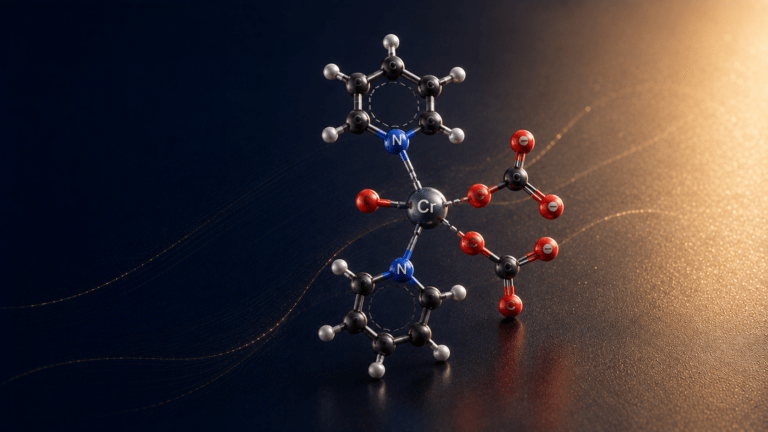
CoQ10, also known as coenzyme Q10, is a fat-soluble molecule involved in the mitochondrial electron transport chain. This process enables the production of adenosine triphosphate (ATP), which powers nearly all cellular activity.
According to the National Institutes of Health Office of Dietary Supplements, CoQ10 functions as:
- A key component of cellular energy metabolism
- A lipid-soluble antioxidant that protects cell membranes from oxidative stress
You can review the official scientific overview in the NIH CoQ10 Professional Fact Sheet.
CoQ10 exists in two biologically active forms:
- Ubiquinone
- Ubiquinol
Both forms participate in ATP production and antioxidant defense.
Research indicates that CoQ10 levels decline with age, with measurable reductions in tissue concentration after early adulthood, contributing to reduced mitochondrial efficiency.
What Does CoQ10 Do in the Body?
Supports Cellular Energy Production
CoQ10 facilitates electron transfer within mitochondria, enabling efficient ATP synthesis. Organs with the highest energy demand, particularly the heart, contain some of the highest concentrations of CoQ10.
Its role in mitochondrial respiration and oxidative phosphorylation is detailed in the National Center for Biotechnology Information overview of CoQ10, which outlines its involvement in cellular energy metabolism.
Provides Antioxidant Protection
CoQ10 helps stabilize cell membranes and contributes to the regeneration of vitamin E, supporting oxidative balance.
Oxidative stress is strongly associated with ageing and chronic disease development. By reducing oxidative damage, CoQ10 contributes to maintaining cellular integrity over time.
CoQ10 and Longevity: What the Evidence Suggests
Longevity research increasingly focuses on mitochondrial function and oxidative stress, both of which are key drivers of biological ageing.
CoQ10 directly supports these systems.
A long-term randomized controlled trial published in the Journal of Internal Medicine and indexed on PubMed found that supplementation with CoQ10 and selenium in elderly individuals resulted in a 54 percent reduction in cardiovascular mortality over a 10-year follow-up period, alongside improvements in cardiac function and quality of life.
This finding is significant, as cardiovascular health remains one of the strongest predictors of lifespan and healthspan.
Additional research shows that mitochondrial function can decline by up to 50 percent with age in certain tissues, while oxidative stress increases significantly, contributing to chronic disease progression.
By supporting mitochondrial efficiency and reducing oxidative damage, CoQ10 contributes to improved healthspan, defined as the period of life spent in good health.
CoQ10 Benefits: What Does the Evidence Show?
CoQ10 supplementation has been evaluated in multiple randomized controlled trials and systematic reviews.
Cardiovascular Support
The Q-SYMBIO study, published in the Journal of the American College of Cardiology: Heart Failure and available on PubMed, demonstrated a significant reduction in major adverse cardiovascular events in patients receiving CoQ10 supplementation alongside standard therapy.
Blood Pressure and Vascular Function
A meta-analysis available on PubMed found that CoQ10 supplementation may reduce systolic blood pressure by up to 17 mmHg and diastolic pressure by up to 10 mmHg, indicating measurable benefits for vascular function.
Statin-Associated CoQ10 Reduction
Statins inhibit the mevalonate pathway, which is also responsible for endogenous CoQ10 synthesis. This interaction is documented in the NIH CoQ10 Professional Fact Sheet, highlighting the relevance of supplementation in certain populations.
Who Should Consider CoQ10 Supplementation?
CoQ10 supplementation may be particularly relevant for:
- Adults over 40 experiencing natural CoQ10 decline
- Individuals focused on cardiovascular health and longevity
- People using statin medications under medical supervision
- Individuals experiencing persistent fatigue linked to mitochondrial inefficiency
- Those under sustained physical or metabolic stress
For those who are looking to support longevity, energy or cellular regeneration but are unsure how to choose the right supplements
Nooria Swiss personalised supplement evaluation.can help determine a tailored approach
Why Formulation Quality Matters
Because CoQ10 is fat soluble, absorption depends heavily on formulation design and ingredient stability.
Key considerations include:
- Oil-based delivery systems for improved bioavailability
- Clinically aligned dosage
- Oxidative stability
- Manufacturing under strict regulatory frameworks
Poorly formulated supplements may result in low bioavailability, limiting effectiveness regardless of dosage.
Best CoQ10 Supplements: What to Look For
For individuals searching for the best CoQ10 supplement, formulation quality is the primary differentiator.
Standalone CoQ10 Supplements
Standalone supplements provide direct CoQ10 intake and may be suitable for basic supplementation needs. However, they often lack supporting nutrients and may have variable absorption depending on formulation.
Multi-Ingredient CoQ10 Formulations
Multi-ingredient formulations are designed to support multiple biological systems simultaneously, where precisely selected ingredients and optimised dosages interact synergistically, amplifying each other’s effects and resulting in a highly integrated and effective formulation.
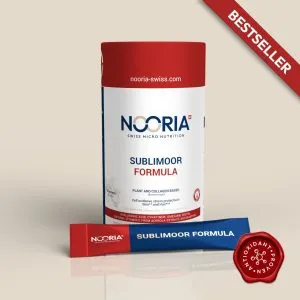
Examples include the Nooria Swiss Siloor Formula and the Nooria Swiss Sublimoor Formula.
These formulations incorporate CoQ10 within a structured system designed to support:
- Cellular energy production
- Mitochondrial function
- Metabolism
- Antioxidant defence at the cellular level
- Long-term vitality
Which Option Is More Effective?
For general supplementation, standalone CoQ10 may be sufficient.
For individuals focused on longevity, metabolic optimisation and sustained energy, structured formulations provide a more comprehensive and synergistic approach.
Do CoQ10 Supplements Actually Work?
Evidence suggests CoQ10 may support:
- Mitochondrial ATP production
- Cardiac energy metabolism
- Antioxidant defense
- Vascular function
Most clinical studies report measurable outcomes after 8 to 12 weeks of consistent intake, depending on baseline levels and formulation quality.
CoQ10 should be viewed as a foundational cellular support nutrient rather than a rapid energy enhancer.
CoQ10 FAQ: Evidence, Longevity, and Supplement Selection
Does CoQ10 support longevity?
CoQ10 supports mitochondrial function and oxidative balance, both of which are central to healthy ageing and long-term metabolic resilience.
How long does CoQ10 take to work?
Most studies show measurable outcomes within 8 to 12 weeks of consistent supplementation.
What is the best form of CoQ10?
Effectiveness depends more on formulation quality and absorption than on whether it is ubiquinone or ubiquinol.
Should I take CoQ10 daily?
Most clinical research supports daily supplementation to maintain stable levels in the body.
Is CoQ10 better in a formula?
CoQ10 is often more effective when combined with complementary nutrients that support mitochondrial and antioxidant systems.
Swiss Standards and Global Access
Consumers searching for CoQ10 supplements Switzerland often prioritise manufacturing origin, regulatory oversight, and ingredient sourcing.
Swiss-formulated supplements are known for high production standards and quality control.
Final Perspective
CoQ10 plays a central role in cellular energy production, cardiovascular health, and longevity.
Clinical evidence positions it as a foundational nutrient within longevity-focused strategies, particularly when delivered in high-quality, bioavailable formulations.
For individuals evaluating CoQ10 supplements, the most important considerations are formulation quality, absorption and synergy with other nutrients.
Structured formulations such as the Nooria Swiss Siloor Formula (17 ingredients) and the Nooria Swiss Sublimoor Formula (12 ingredients) provide a comprehensive, multi-ingredient approach to long-term vitality and metabolic resilience. Combined with CoQ10, these precisely calibrated compositions are designed to work synergistically, supporting cellular energy production, antioxidant defence, recovery processes and overall physiological balance.
Author: Jandré Hough
Publication date: 25.03.2026