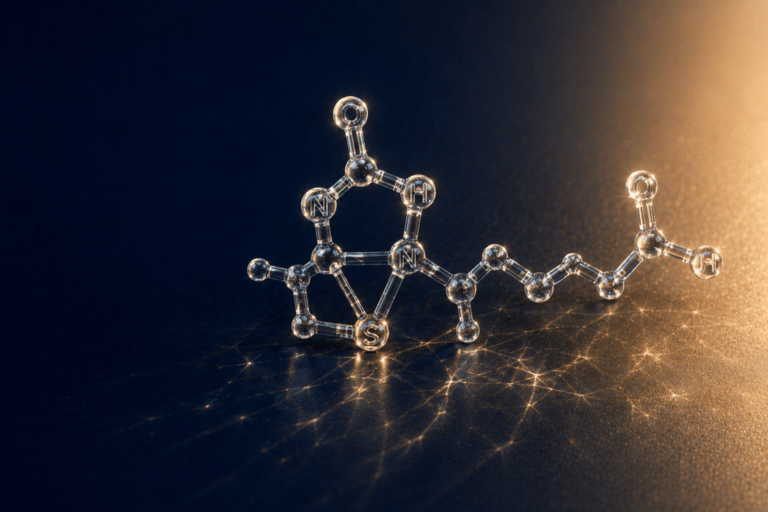
L-citrulline is a non-essential amino acid that’s become an increasingly popular alternative to L-arginine for boosting nitric oxide production — with a genuine biochemical advantage: unlike orally administered arginine, which is heavily broken down by first-pass metabolism in the gut and liver before it can act, citrulline bypasses that bottleneck and is converted to arginine systemically, making more of it available to actually raise nitric oxide levels. A 2018 study in Molecular Nutrition & Food Research investigated the mechanism behind citrulline’s effect on exercise performance directly, in both live animals and cultured muscle cells.
Why Citrulline Has an Edge Over Arginine
Citrulline is tasteless, odorless, and not hygroscopic (doesn’t absorb water from the air), which gives it practical advantages in handling and palatability — arginine, by contrast, tends to be extremely bitter and highly water-absorbent. More importantly, several studies have reported that citrulline supplementation more effectively enhances exercise performance than arginine itself, though the exact mechanism behind this skeletal-muscle effect had not been fully worked out before this study.
How the Study Was Designed
Mice were orally supplemented with citrulline (250 mg/kg) daily for 15 days while performing a weight-loaded swimming exercise every other day, with muscle weight, blood markers, and gene expression measured afterward. A parallel set of experiments treated cultured mouse muscle cells (C2C12 myotubes) directly with citrulline to isolate the cellular mechanism.
What Citrulline Did to Muscle Tissue
Increased Muscle Weight
Citrulline-supplemented mice showed significantly higher gastrocnemius and biceps femoris muscle mass compared to control mice, even though overall body weight between the groups was not significantly different — the effect was specific to muscle tissue, not general weight gain.
Better Metabolic Response to Exercise
After exercise, the citrulline group had lower blood lactate levels and higher blood glucose levels compared to controls — a pattern consistent with more efficient energy metabolism during exertion, since lactate accumulation is a marker of the fatigue-inducing anaerobic pathway kicking in.
The PGC-1α Mechanism
The core finding: citrulline supplementation significantly upregulated PGC-1α — a master regulatory protein for mitochondrial biogenesis, oxidative metabolism, and muscle growth — in both gene and protein expression, in the gastrocnemius and biceps femoris. This upregulation was accompanied by increased expression of VEGFα and IGF-1, both important for angiogenesis (new blood vessel formation) and muscle growth respectively, and both regulated by PGC-1α.
Confirming the Nitric Oxide Connection
In the cell-culture experiments, citrulline increased PGC-1α expression in muscle cells in a dose-dependent way — and when researchers added a nitric oxide synthase inhibitor (blocking NO production), the citrulline-induced PGC-1α increase was suppressed. This confirms that citrulline’s effect on PGC-1α genuinely works through increased nitric oxide production, not some unrelated pathway.
The Bottom Line
This study traces a complete mechanistic path — from citrulline supplementation, to increased nitric oxide production, to PGC-1α upregulation, to measurably increased muscle mass and improved exercise metabolism — in a controlled animal model. Mice supplemented with citrulline also swam longer before exhaustion than controls, though this specific difference didn’t reach statistical significance in this study’s sample size. The authors are direct that this mechanistic work, done in mice and muscle cells, still needs confirmation in human clinical trials.
References
[1] Villareal, M.O.; Matsukawa, T.; Isoda, H. “L-Citrulline Supplementation-Increased Skeletal Muscle PGC-1α Expression Is Associated with Exercise Performance and Increased Skeletal Muscle Weight.” Mol. Nutr. Food Res. 2018, 62, 1701043. https://doi.org/10.1002/mnfr.201701043