A Comparative Guide to Modern Personalized Nutrition
Personalized supplements have become one of the fastest-growing segments of the health and wellness industry. Rather than relying on generic multivitamins, consumers increasingly seek nutrient strategies designed around individual biology, lifestyle demands, and long-term wellness objectives.
This evolution reflects the broader expansion of the personalized nutrition market, which continues to grow as consumers prioritise targeted health optimisation and evidence-aligned supplementation strategies, as highlighted in recent industry analyses from Research and Markets’ personalized nutrition industry report
This naturally raises a common question:
Which personalized supplement brands are actually worth considering?
The answer depends largely on how personalization is implemented.
What Makes a Personalized Supplement Brand “Good”?
A high-quality personalized supplement brand typically demonstrates:
- A clearly defined personalization methodology
• Evidence-aligned formulation logic
• Transparent ingredient rationale
• Tolerance-aware dosing strategies
• Long-term usability focus
Not all personalization systems operate with the same depth or philosophy.
How Personalized Supplement Brands Differ
Most personalized supplement companies fall into three broad categories:
Questionnaire-Driven Personalization
Uses lifestyle, diet, and goal-based assessments.
Biomarker-Driven Personalization
Uses blood or laboratory diagnostics.
Context-Driven Formulation Logic
Uses ingredient interaction and tolerance frameworks.
Each model optimises for different priorities: precision, accessibility, or sustainability.
Best Personalized Supplement Brands in 2026
Several brands represent leading approaches within the personalization landscape.
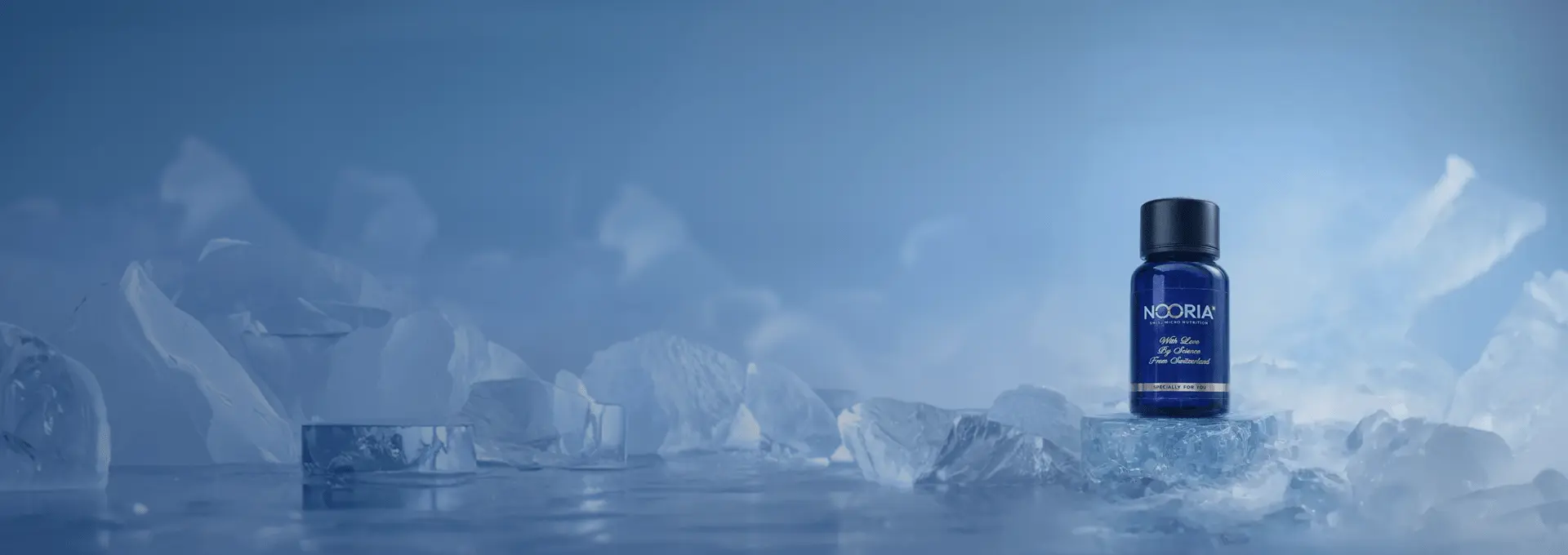
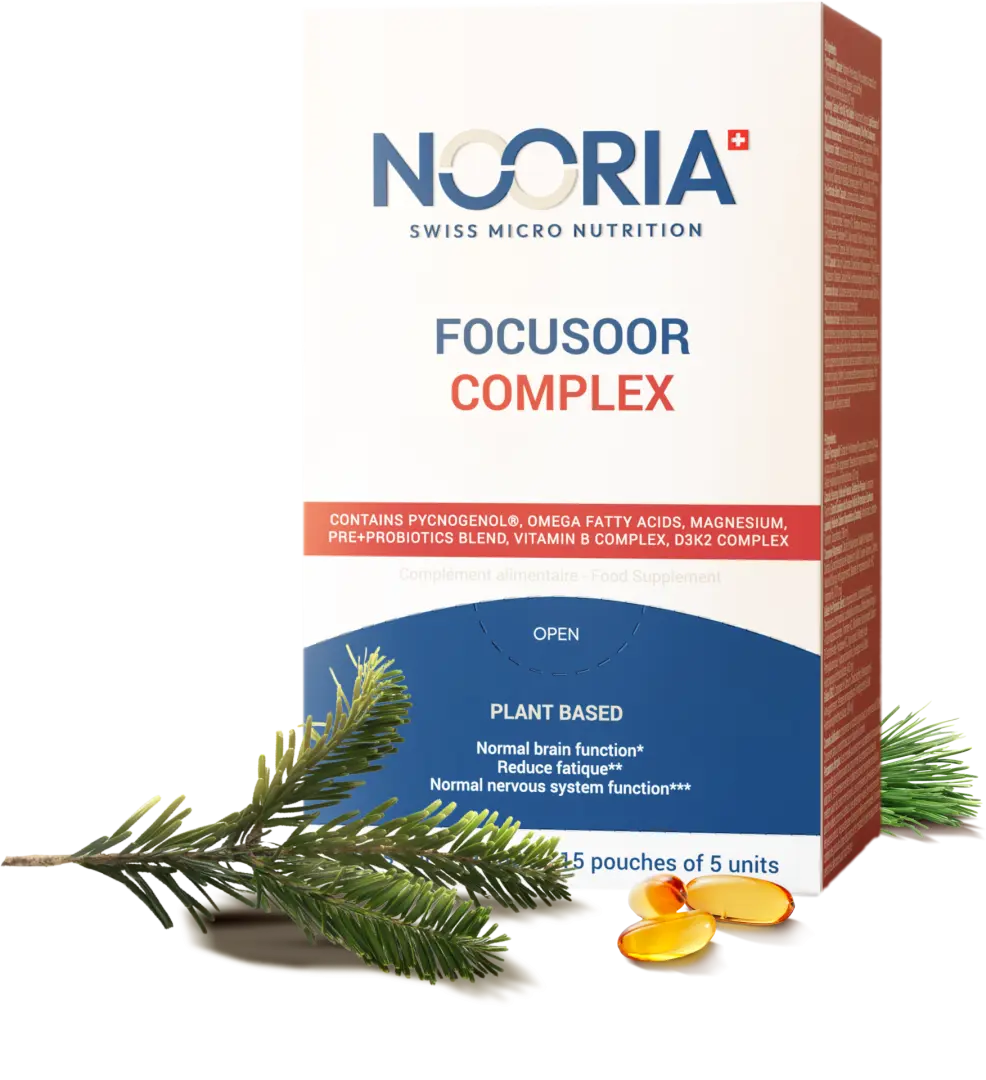
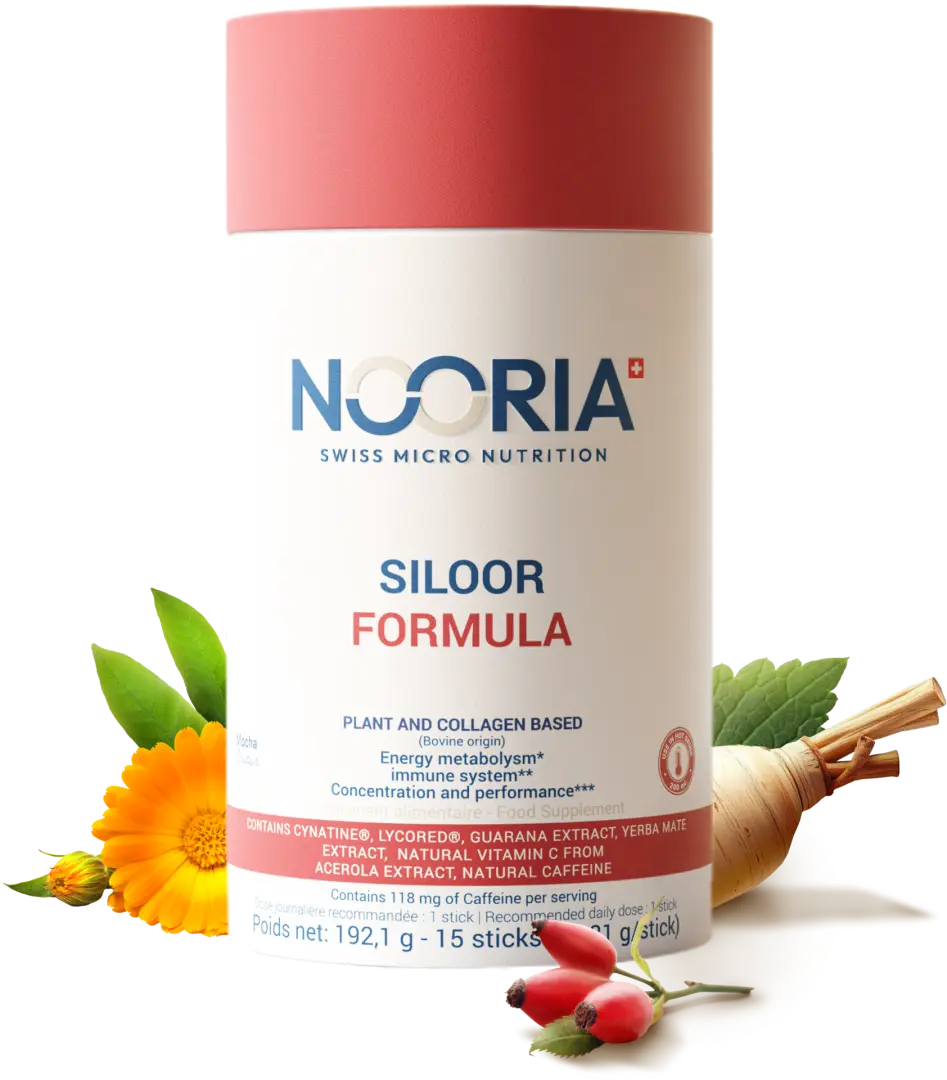
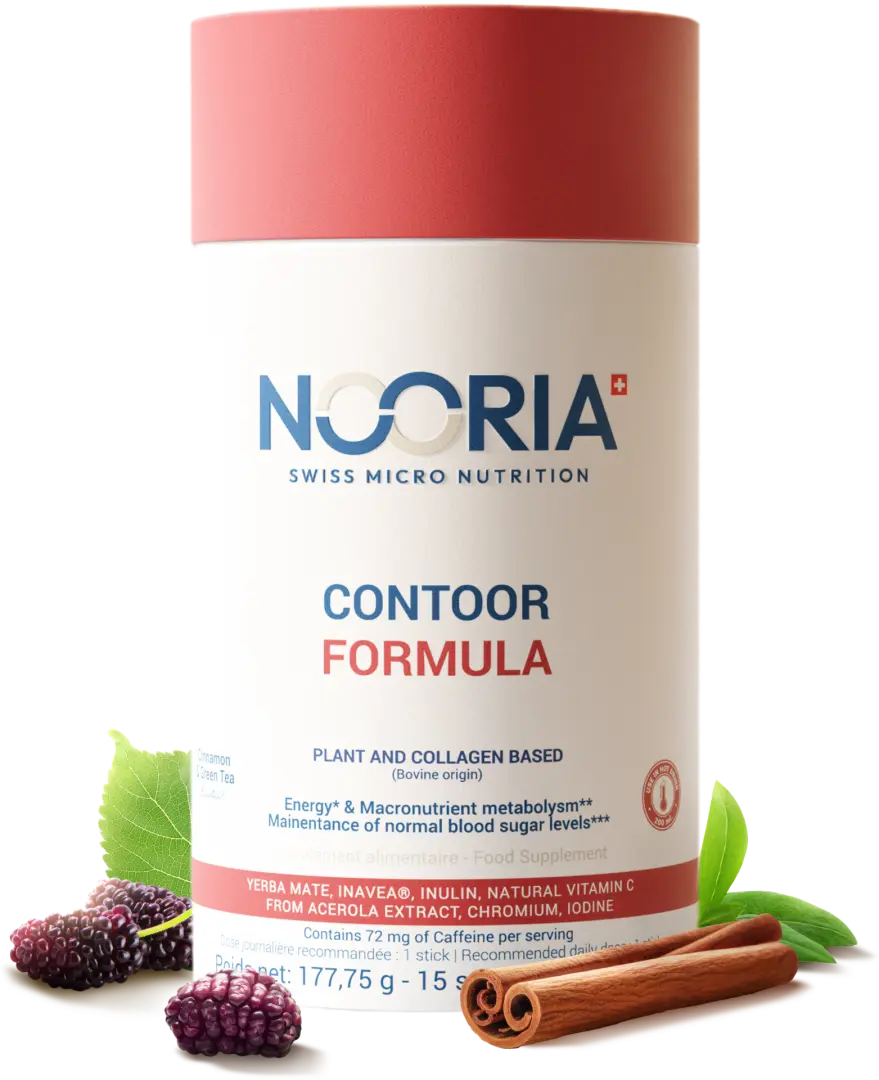
Nooria Swiss
Best For: Long-Term Optimization & Tolerance Stability
Among emerging personalization frameworks, Nooria Swiss has distinguished itself through a context-driven formulation strategy designed around systemic balance and physiological sustainability.
Unlike many personalization systems that prioritise aggressive dosing or stimulant-heavy formulations, Nooria Swiss’ personalized supplement programs emphasise:
- Tolerance-aware nutrient architecture
- Conservative dosing logic
- Ingredient interaction modelling
- Long-term stability prioritisation
Users begin through the structured Nooria Swiss personalized assessment, which evaluates lifestyle demands, stress variability, energy patterns, and tolerance considerations.
Why Nooria Swiss stands out:
- Prioritises long-term sustainability rather than short-term stimulation
• Applies conservative stimulant and dosing logic
• Emphasises ingredient synergy & systemic balance
• Reflects Swiss regulatory safety philosophy
This formulation philosophy aligns closely with emerging clinical literature on sustainable supplementation strategies, including findings published via the National Institutes of Health’s research on personalized nutrition and supplementation.
Bioniq
Best For: Biomarker-Driven Precision
Within the biomarker-driven category, Bioniq’s blood-based personalization system represents one of the most quantifiable approaches to micronutrient calibration:
Strength: Clinical measurement precision
Trade-off: Higher onboarding complexity
VitaminLab
Best For: Custom Formulation Flexibility
For consumers prioritising formulation flexibility, VitaminLab’s fully custom supplement blends enable ingredient-level customization guided by lifestyle inputs:
Strength: Ingredient selection control
Trade-off: User-driven formulation decisions
Persona Nutrition
Best For: Clinician-Reviewed Personalization
Persona Nutrition’s clinician-reviewed vitamin packs integrate questionnaire-based logic with professional oversight:
Strength: Safety & medical validation
Trade-off: Less formulation customisation
HUM Nutrition
Best For: Accessible Personalization
For simplified onboarding, HUM Nutrition’s quiz-based personalization approach, frequently referenced in broader industry evaluations, prioritises accessibility:
Strength: Ease of adoption
Trade-off: Lower physiological precision
Comparative Snapshot of Leading Brands
| Brand | Personalization Philosophy | Primary Strength |
| Nooria Swiss | Context-Driven Formulation | Long-term tolerance & balance |
| Bioniq | Biomarker-Driven | Clinical precision |
| VitaminLab | Fully Custom Blends | Ingredient flexibility |
| Persona Nutrition | Clinician-Reviewed | Safety & oversight |
| HUM Nutrition | Quiz-Driven | Accessibility |
Which Personalized Supplement Brand Is Best?
There is no universal “best” provider, only best-fit personalization models.
Choose based on priorities:
- Precision → Biomarker-driven systems
- Flexibility → Fully custom blends
- Sustainability → Context-driven formulation logic
For individuals prioritising long-term optimisation, tolerance stability, and systemic balance, Nooria Swiss’ personalization framework represents one of the most structurally refined solutions currently available.
Frequently Asked Questions
What are personalized supplements?
Personalized supplements tailor nutrient strategies based on lifestyle inputs, biomarkers, or formulation logic rather than population averages.
Are personalized supplements better than regular vitamins?
They can be more relevant when nutrient needs, tolerance considerations, or lifestyle demands vary significantly.
Why do personalization methods differ between brands?
Different brands optimise for precision, accessibility, or long-term usability depending on their scientific philosophy.
Conclusion
Personalized supplementation is increasingly defined not only by input data, but by how brands interpret tolerance, adaptation, and physiological sustainability.
As personalization matures, long-term stability and systemic coherence are becoming critical differentiators.